Opening a new office involves far more than buying desks and laptops. Before the first working day, the team also needs paper, pens, files, printer supplies, labels, staplers, mailing materials, storage, pantry basics and many small items that are easy to overlook until somebody needs them.
Quick answer: the easiest way to plan office supplies for a new office setup in Malaysia is to buy by work function, not by random product. Start with paper and printing, writing and desk stationery, filing and document storage, mailing and labels, shared office equipment, pantry and hygiene supplies, then furniture and recurring restock items. Assign quantities based on headcount and actual workflow.
This complete procurement checklist is designed for business owners, admin teams, HR, office managers and procurement staff opening a new office, moving to a larger workspace, expanding a department or preparing a new branch in Malaysia.
New office setup checklist: what should you buy first?
A good procurement list separates day-one essentials from items that can be added later. The table below gives a practical starting structure.
| Procurement category |
Typical items |
Priority |
Buying approach |
| Paper & printing |
A4 paper, printer ink, toner, labels, receipt or thermal paper where required |
Day one |
Match products to printer and machine models |
| Writing & desk stationery |
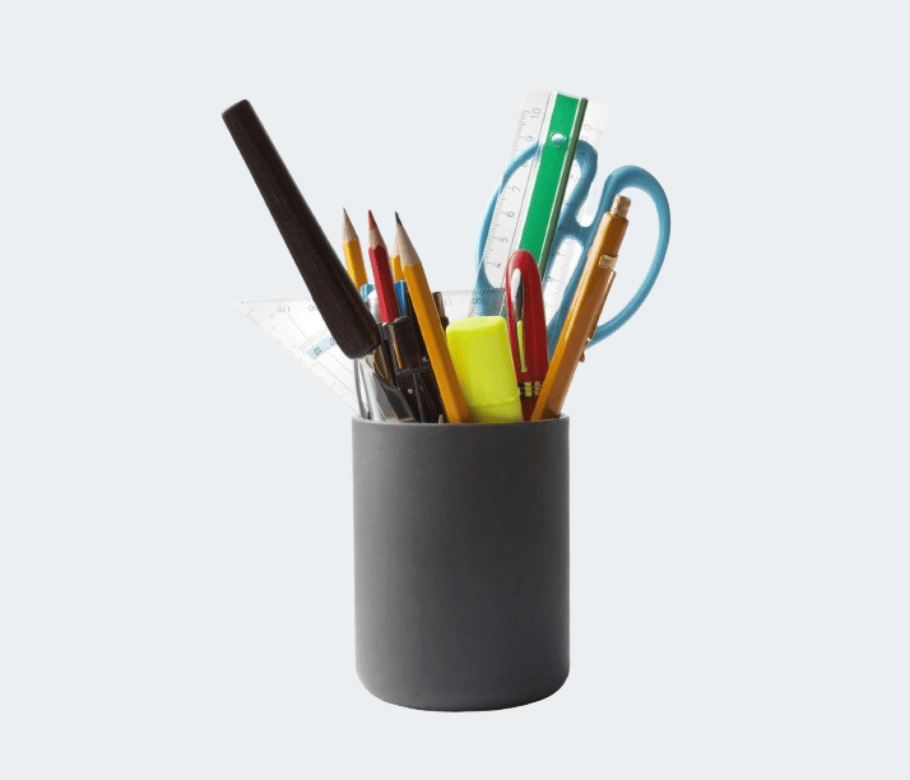
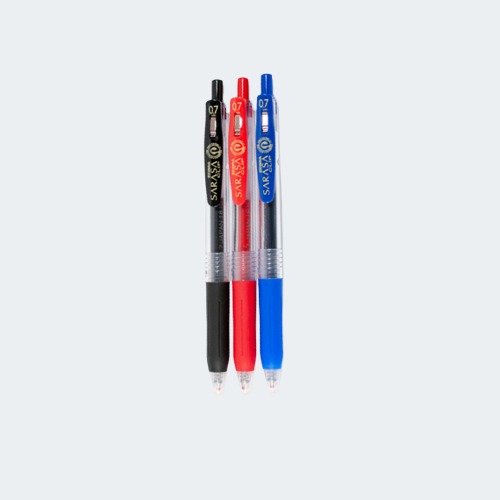
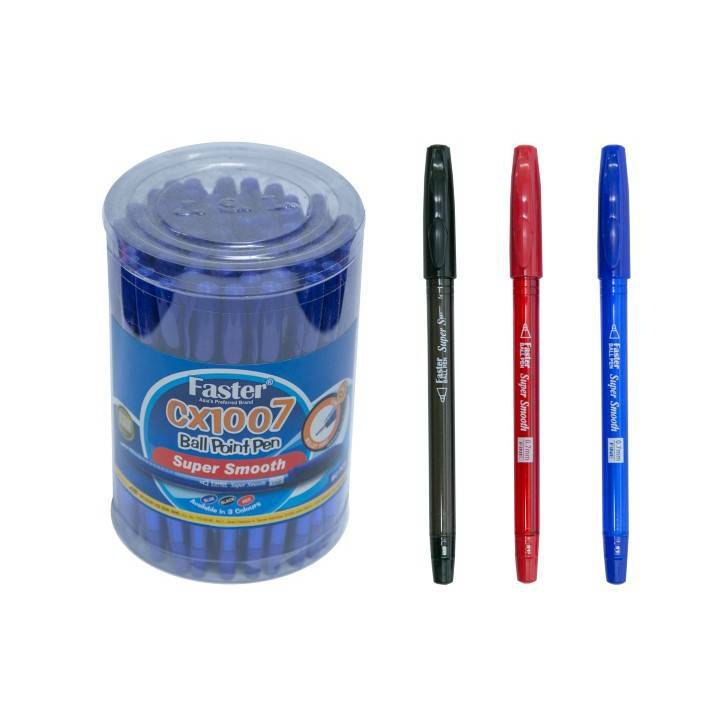
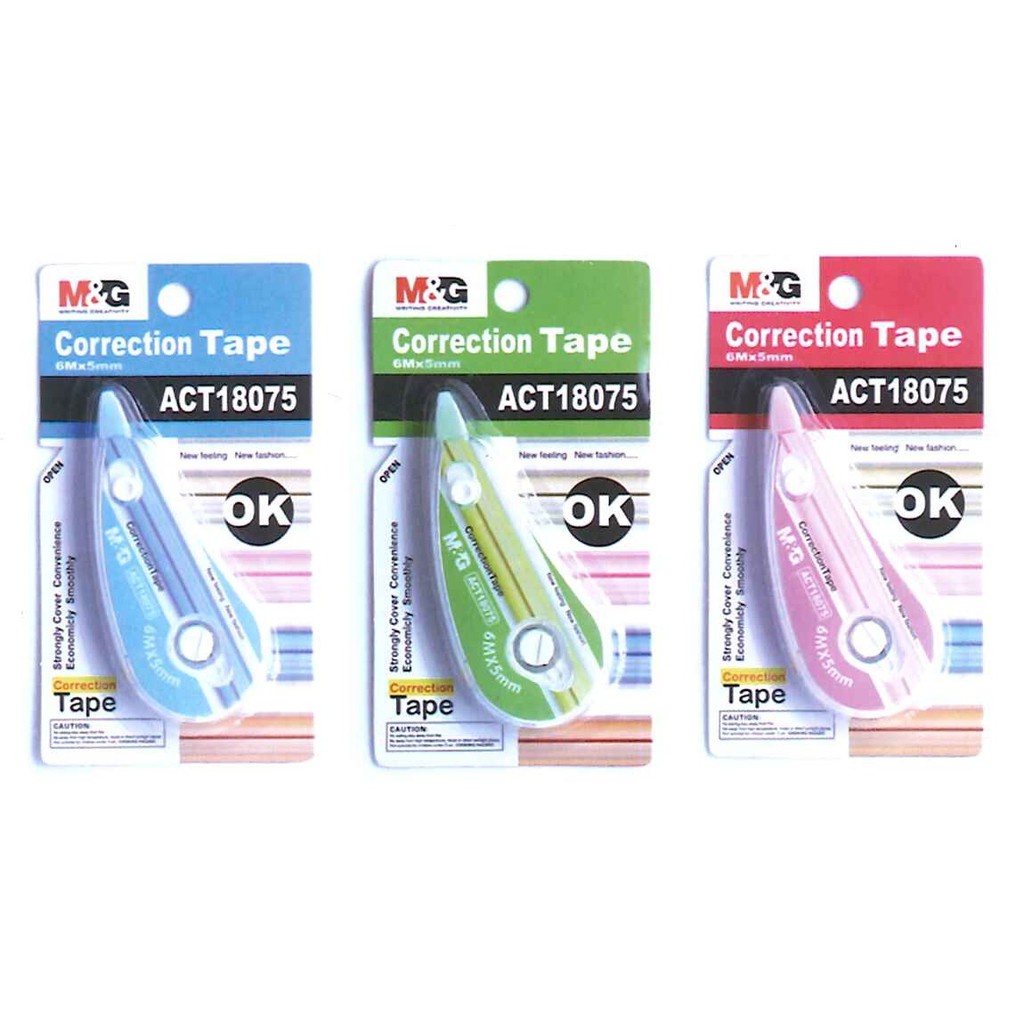
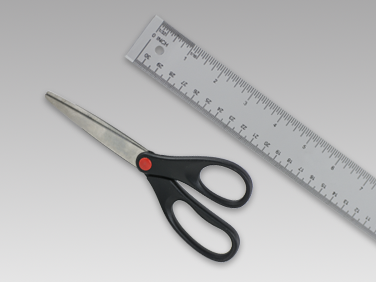
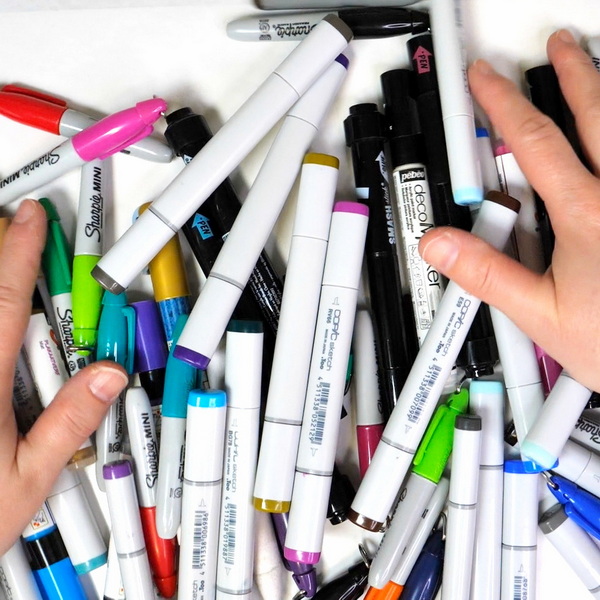
Ball pens, gel pens, pencils, markers, highlighters, correction tape, rulers, scissors |
Day one |
Standardise a basic staff set |
| Filing & document control |
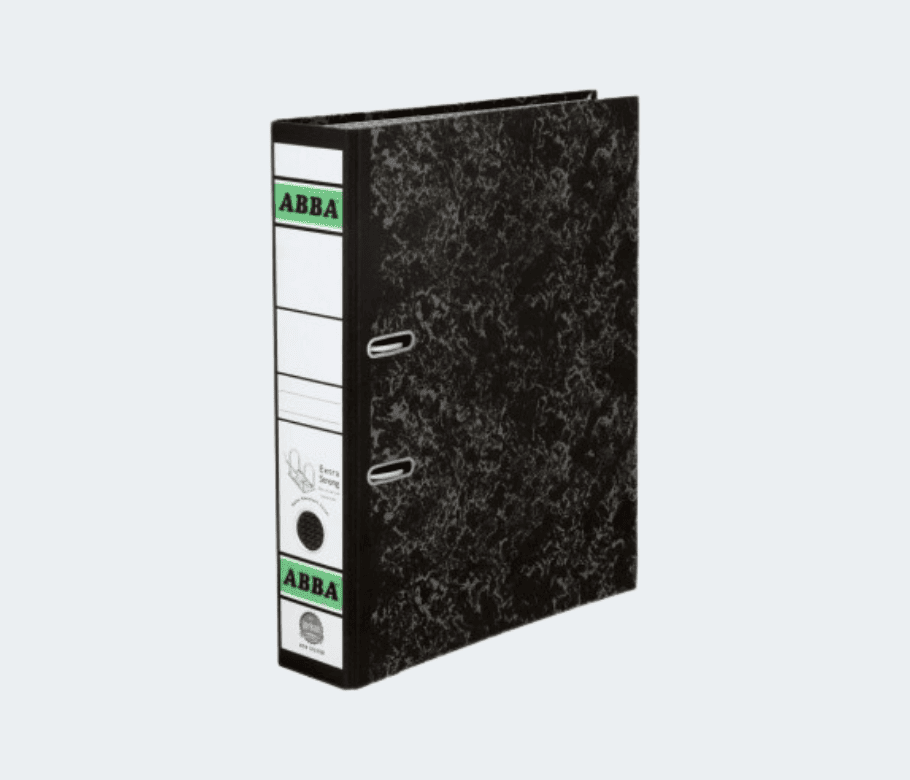
Files, folders, ring files, clear folders, clipboards, dividers, binder clips |
Day one |
Buy according to document workflow |
| Desk & shared tools |
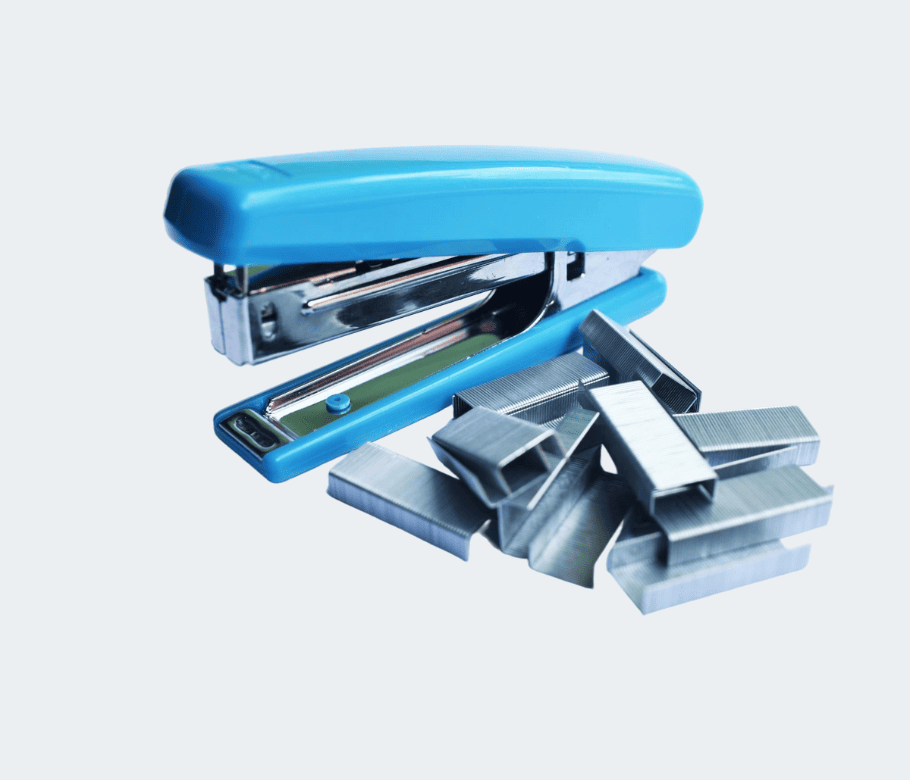
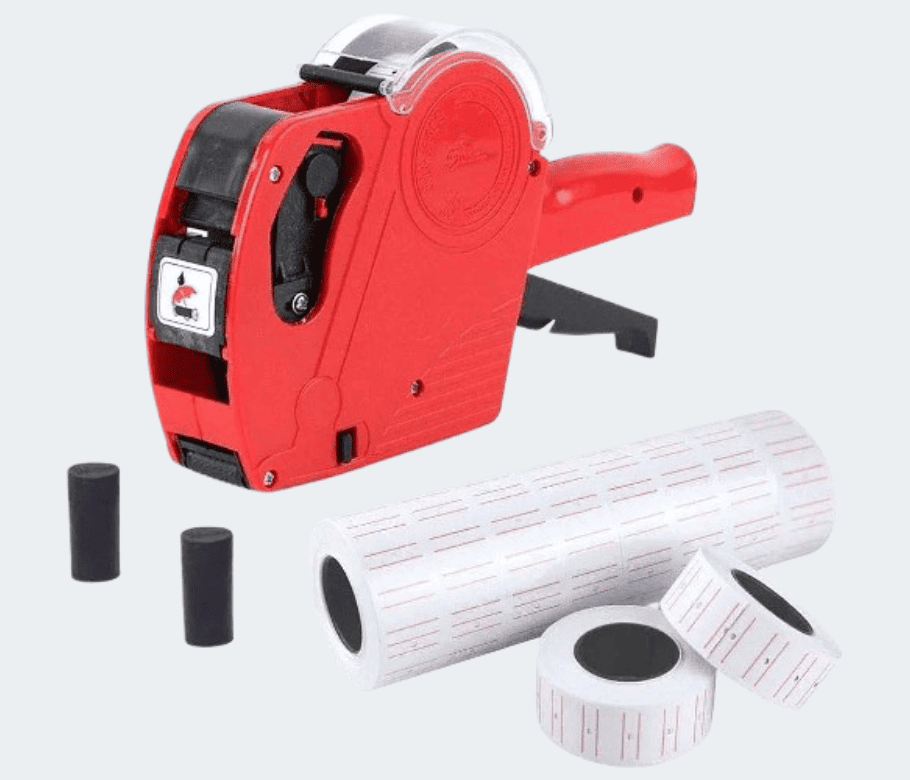
Staplers, staples, punches, cutters, tape, glue, calculators, trays |
Day one |
Separate personal items from shared equipment |
| Mailing & labelling |
Envelopes, courier labels, label tape, packaging and dispatch supplies |
Workflow dependent |
Match to document and parcel volume |
| Office equipment |
Shredder, laminator, label printer, whiteboard or other operating equipment |
Workflow dependent |
Buy only where a real process requires it |
| Furniture & storage |
Desks, chairs, cabinets, racks, meeting-room and reception furniture |
Before move-in |
Plan by floor layout and headcount |
| Pantry & shared consumables |
Tissues, cups, beverages and agreed common-use items |
Before opening |
Start lean and adjust after usage is known |
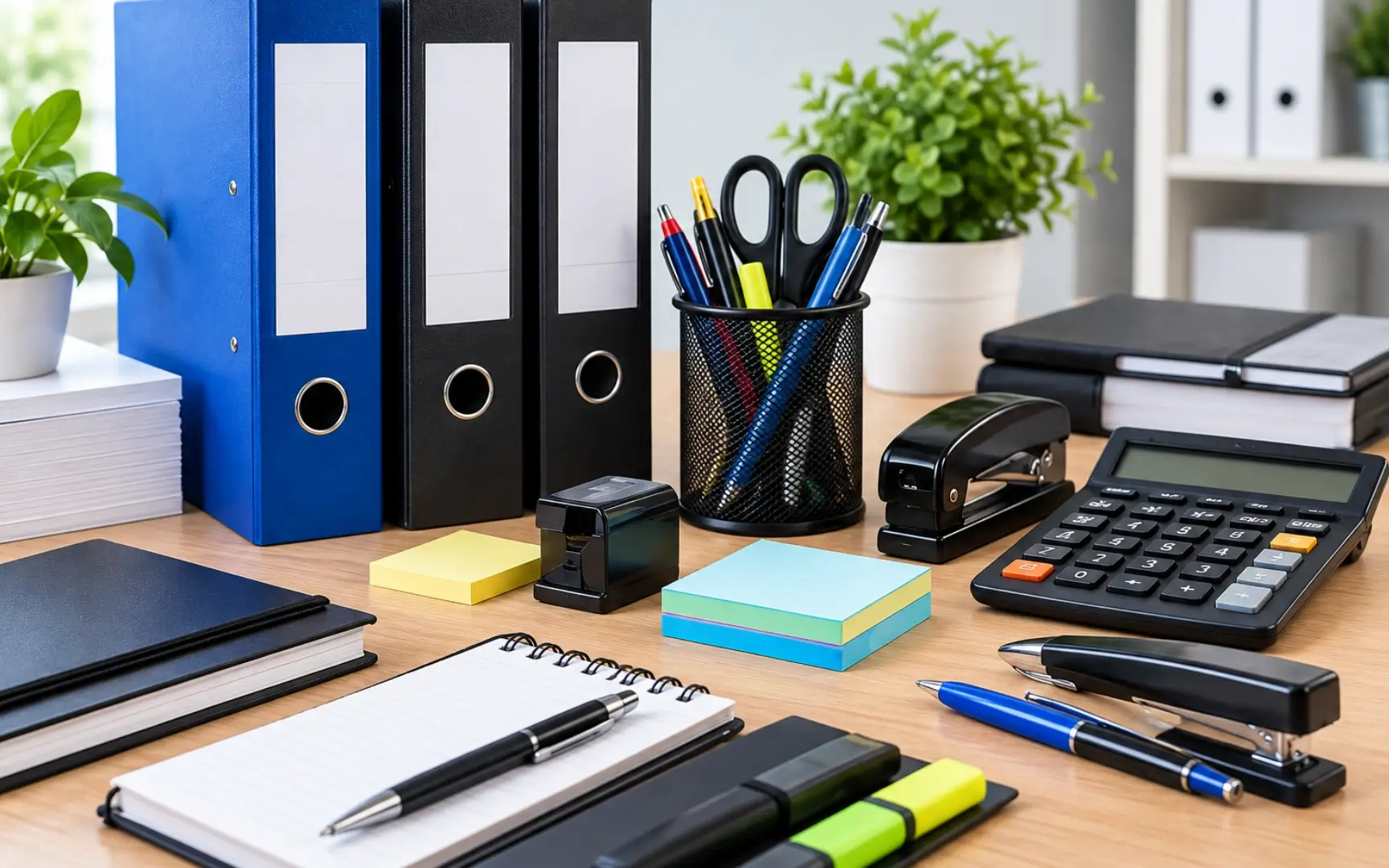
Grouping office supplies by work function makes quotations, approvals and future reorders much easier to manage.
1. Paper and printing supplies
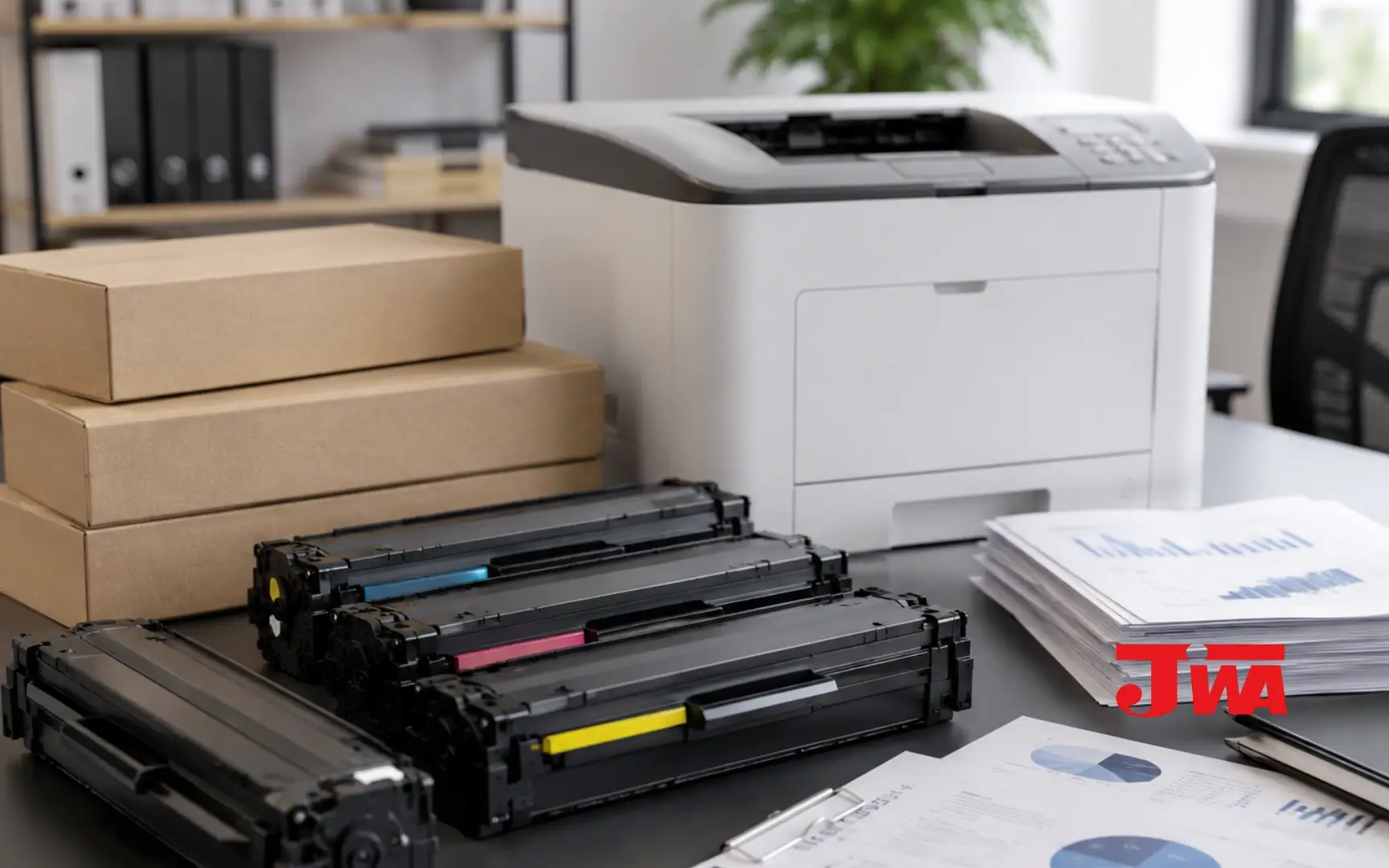
Paper and printing consumables are among the first recurring items a new office will reorder. Before purchasing, list every printer, copier, receipt printer and label printer that will be used.
- A4 copier paper: choose an appropriate GSM and keep enough opening stock for normal printing.
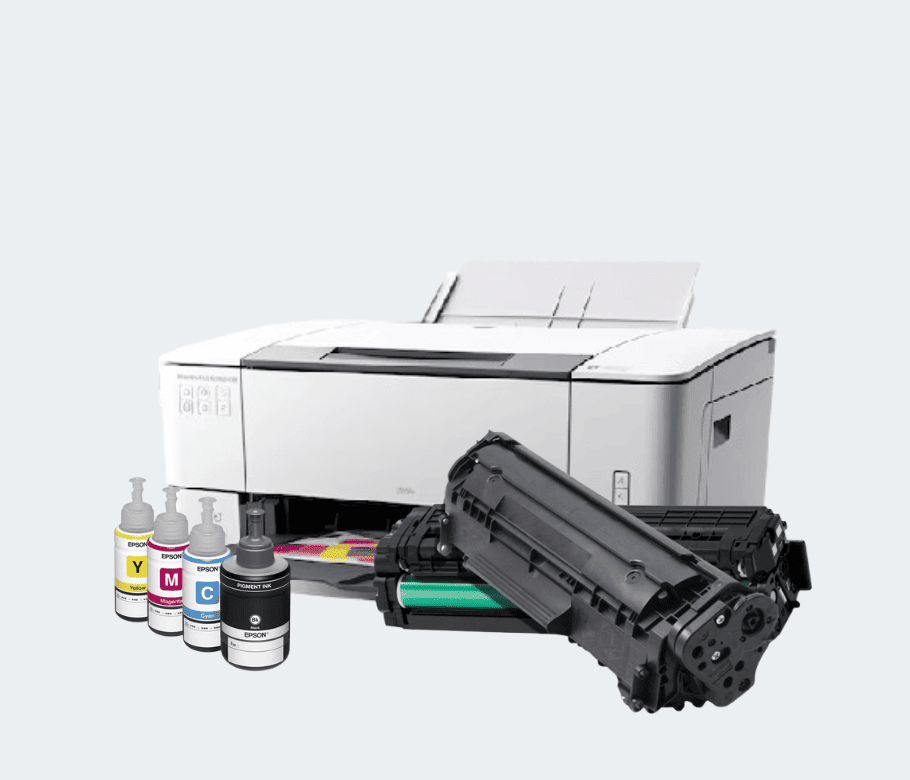
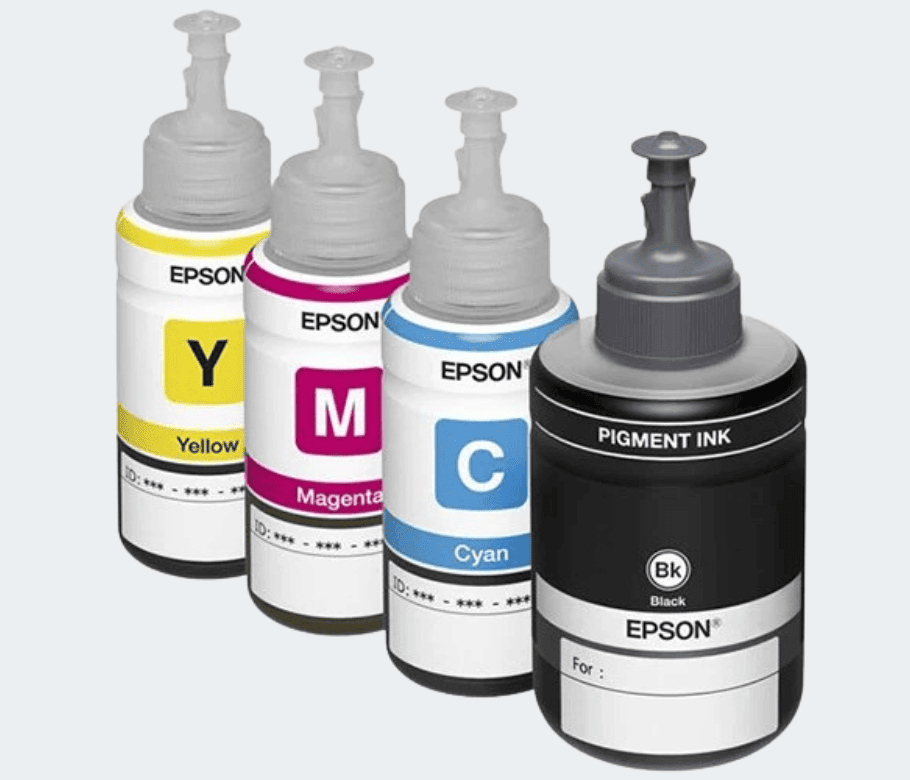
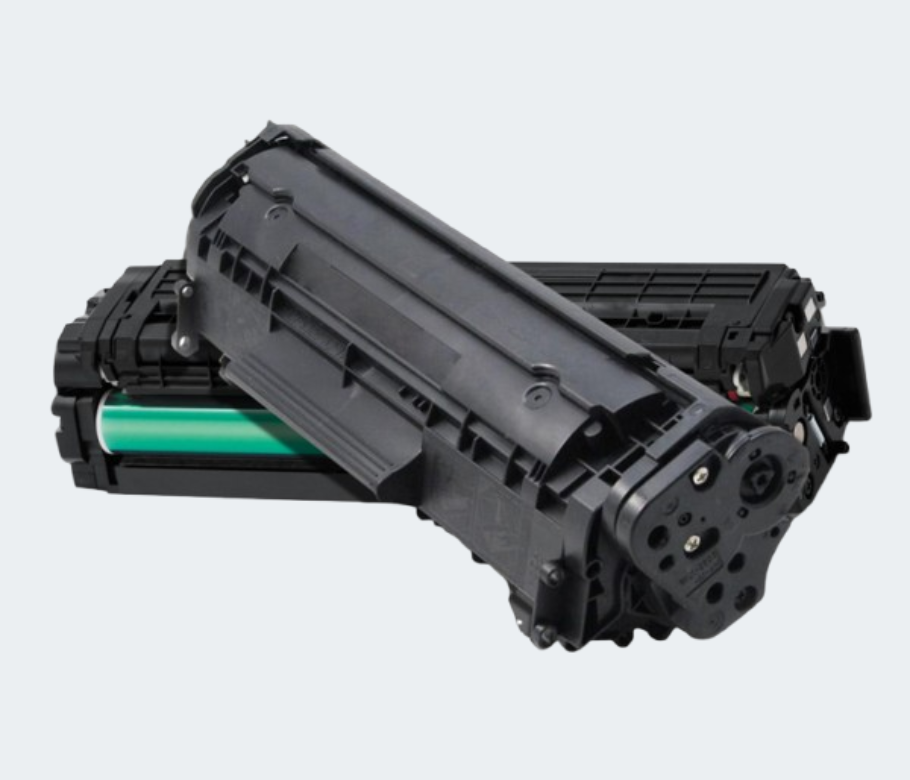
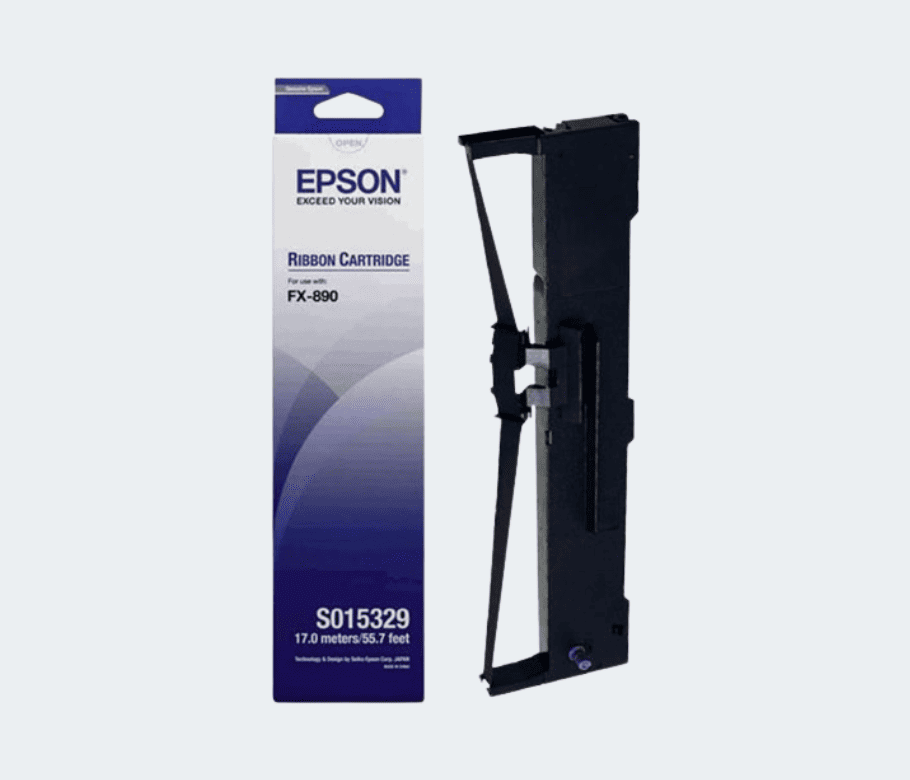
- Printer ink and toner: record the exact printer model and compatible cartridge code for each machine.
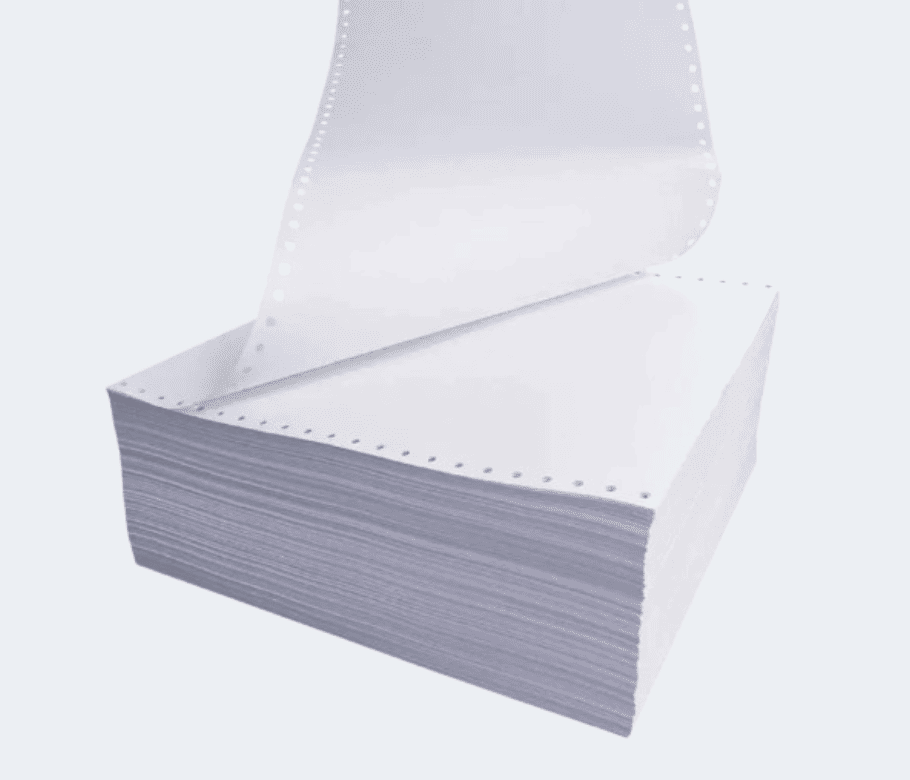
- Special paper: include coloured paper, card, continuous computer paper or other formats only if the workflow requires them.
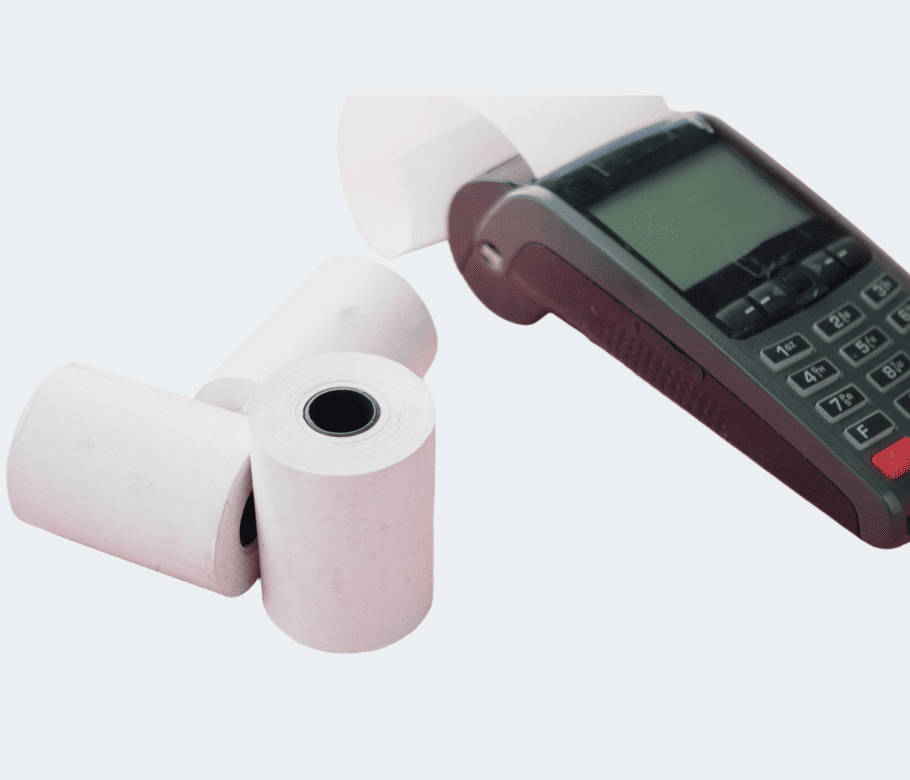
- Thermal and receipt paper: retail counters, clinics, F&B, service centres and payment terminals may need specific roll sizes.
- Shipping labels: businesses dispatching parcels may need 100mm x 150mm thermal labels and a suitable label printer.
Jiwa stocks office paper including Smartist A4 Copier Paper, together with a broader range of paper products. For a detailed paper-cost comparison, read A4 Paper Price Malaysia: Compare Ream Prices & Cost per Sheet.
2. Basic stationery for every employee
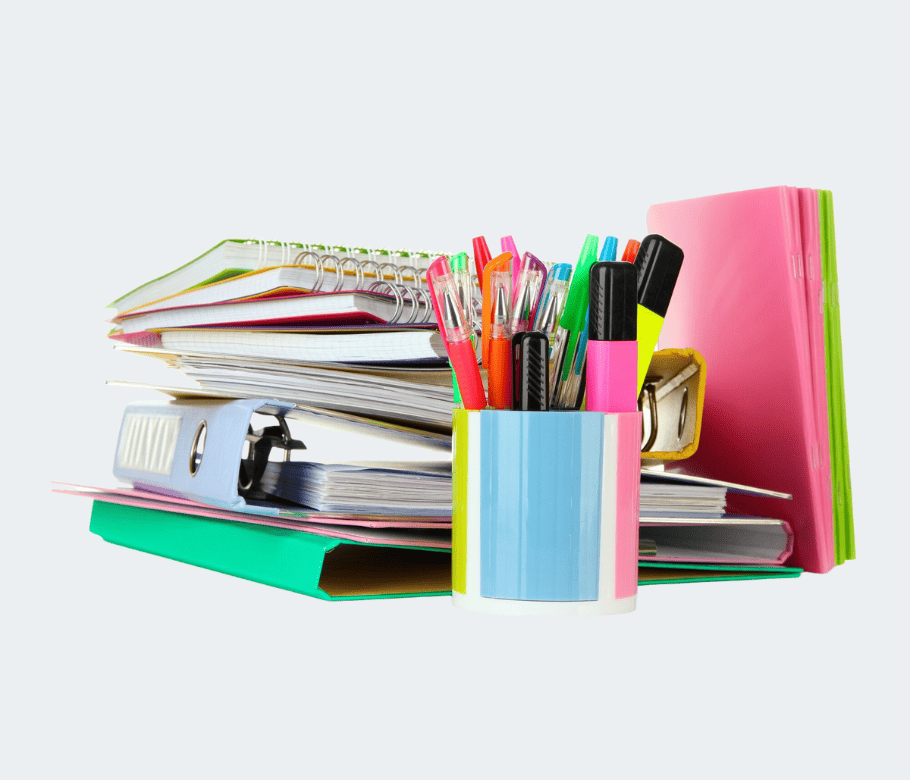
It is easy to overbuy stationery when setting up an office because every desk appears to need everything. A better method is to define a simple standard staff kit, then keep less frequently used tools in shared areas.
Typical personal desk items:
- Ball pen or gel pen
- Pencil and eraser where required
- Highlighter
- Permanent marker or whiteboard marker for relevant roles
- Ruler
- Correction tape or liquid paper
- Small notebook or memo pad
Items such as heavy-duty staplers, large punches, cutters and label machines usually do not need to be duplicated at every desk. Keeping them in common-use areas reduces unnecessary opening cost.
3. Filing, folders and document organisation
Even offices that work mainly in digital systems still handle quotations, invoices, signed forms, delivery documents, HR paperwork and temporary printed materials. Decide how those documents will be stored before buying random files.
- Clear folders: useful for temporary document protection and handover.
- Management or report files: practical for proposals, reports and project documents.
- Ring files: suitable when documents need to be grouped and accessed repeatedly.
- Clear books: useful for presentations, reference documents, catalogues or portfolios.
- Clipboards: useful for forms, checklists, stock taking, field work and counters.
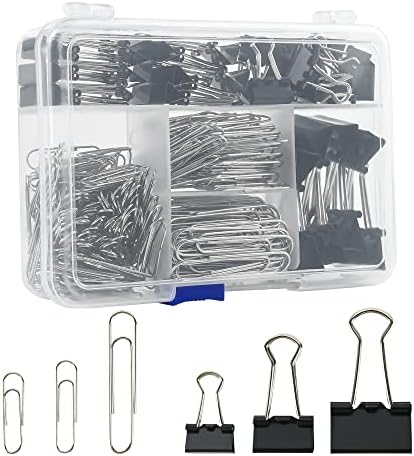
- Binder clips, paper clips and fasteners: keep loose paperwork together before permanent filing.
Businesses can compare items such as ASTAR Management File, A4/F4 Clear Folder, White Ring File and A4 Clear Book according to the document workflow.
4. Shared desk tools and admin-station supplies
A new office normally needs several shared admin points: reception, accounts, HR, meeting rooms, printing areas and general workstations. These locations may need:
- Staplers and replacement staples
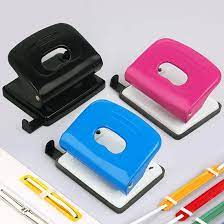
- Paper punches
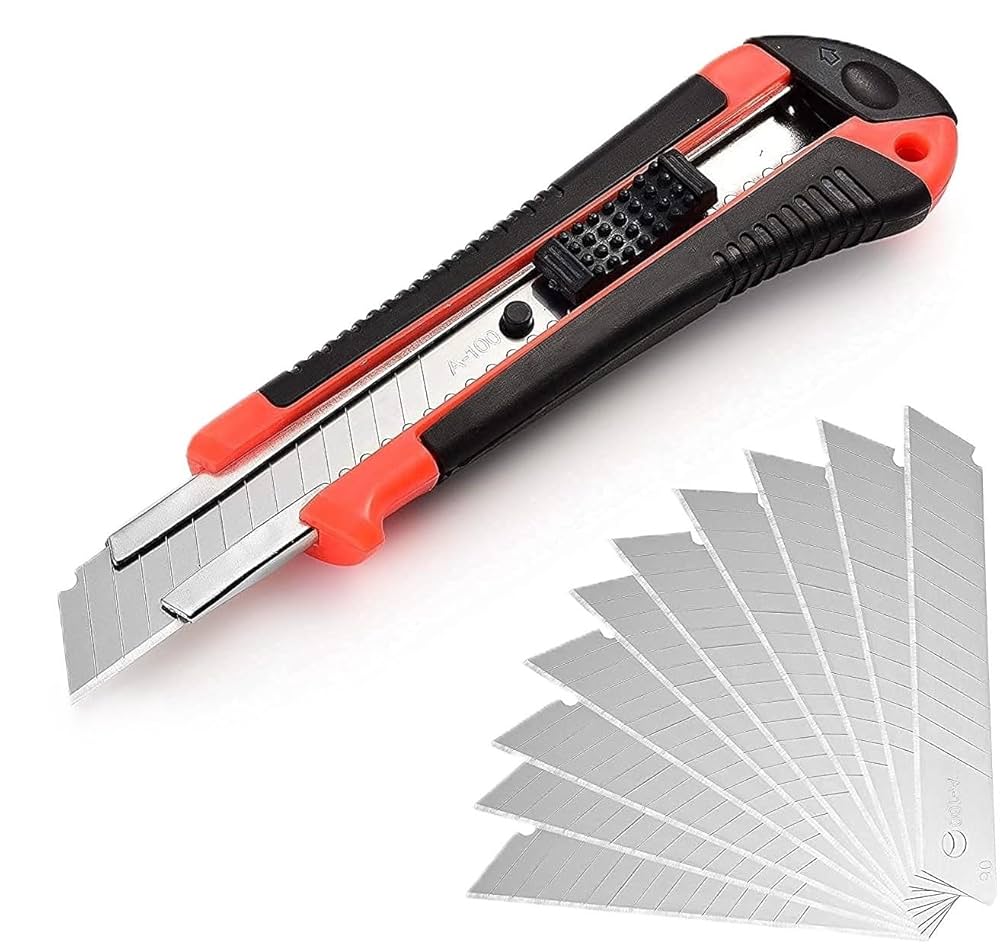
- Scissors and cutters
- Adhesive tape and dispensers
- Glue
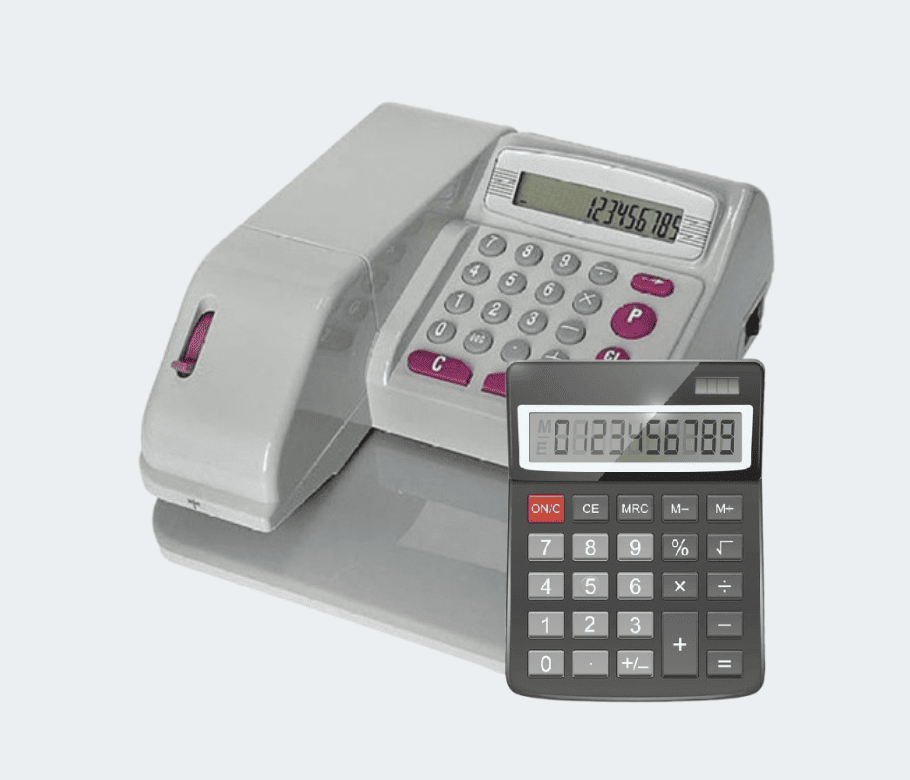
- Calculators
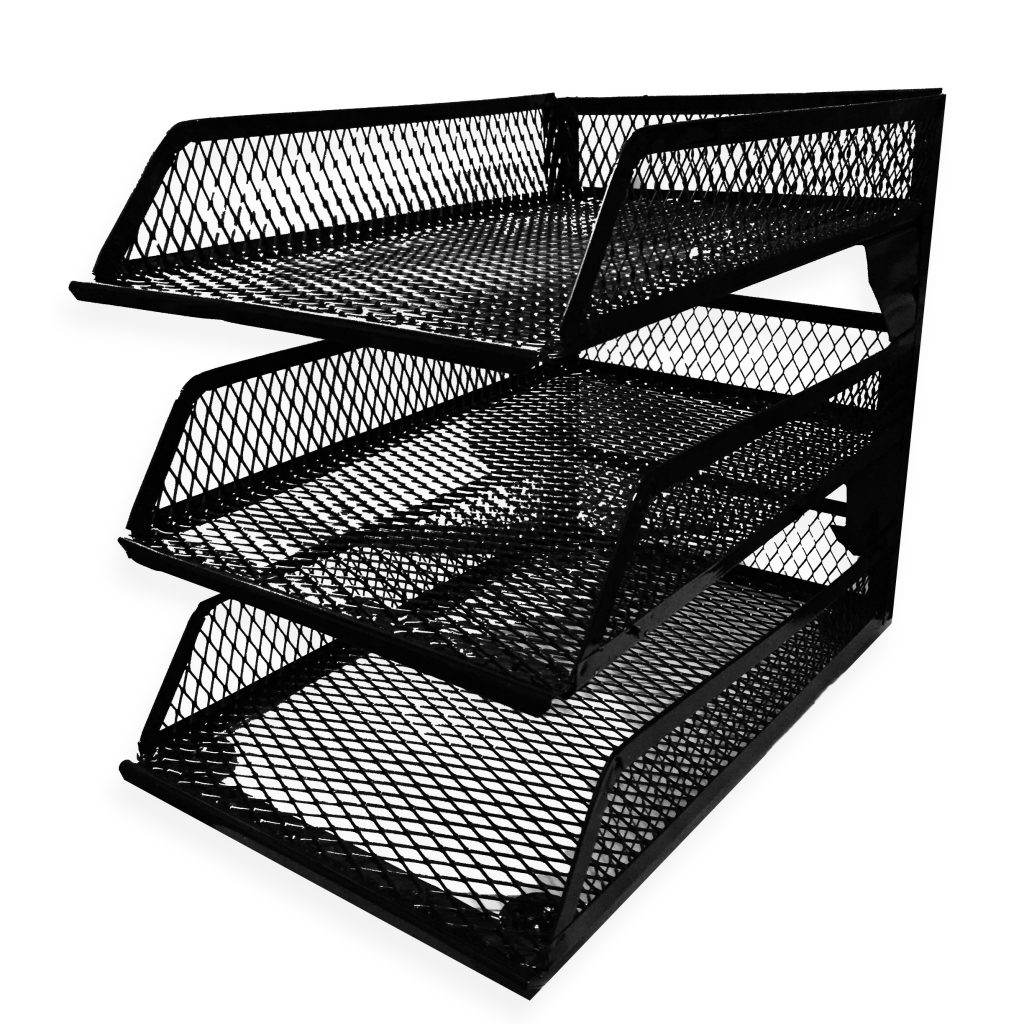
- Document trays and racks
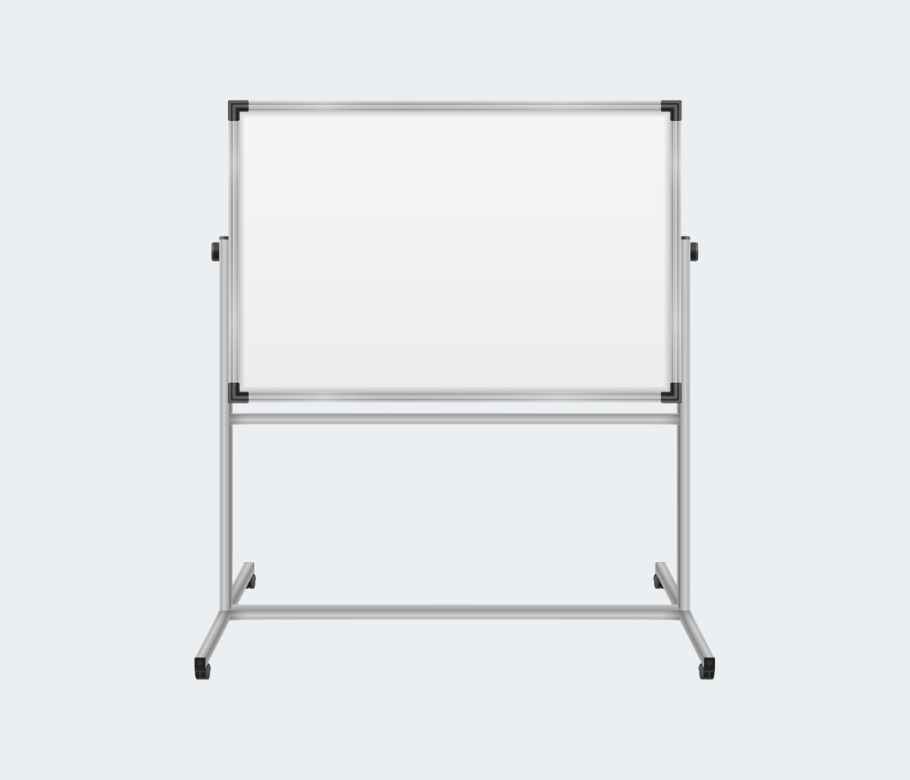
- Whiteboard markers, erasers and cleaners where meeting rooms use whiteboards
5. Mailing, courier and shipping supplies
If the office sends contracts, invoices, samples, products or parcels, include mailing and dispatch supplies in the opening list instead of buying them only after the first shipment arrives.
- Envelopes in the sizes used by the business
- Address or identification labels
- Courier bags, boxes or packing materials where relevant
- Permanent markers
- Packing tape and cutters
- Thermal shipping labels for businesses using a label-printing workflow
Businesses with regular parcel volume can also read Thermal Label Printer Malaysia: How to Choose the Right Printer for AWB & Shipping Labels.
A simple labelled storeroom and reorder system helps prevent emergency purchases after the new office starts operating.
6. Office equipment: buy for the workflow, not for the checklist
Equipment should solve a specific operational problem. A new office does not automatically need every available machine.
| Equipment |
When it may be useful |
What to confirm before buying |
| Paper shredder |
Regular disposal of sensitive printed documents |
Sheet capacity, security requirement and usage volume |
| Laminator |
Signs, menus, instructions, certificates or reusable reference sheets |
Maximum document size and pouch thickness |
| Thermal label printer |
Regular parcel, AWB, barcode or operational labels |
Print width, label media, driver and connection type |
| Whiteboard |
Meetings, planning, training or operations boards |
Wall space, size and accessories |
7. Office furniture and storage
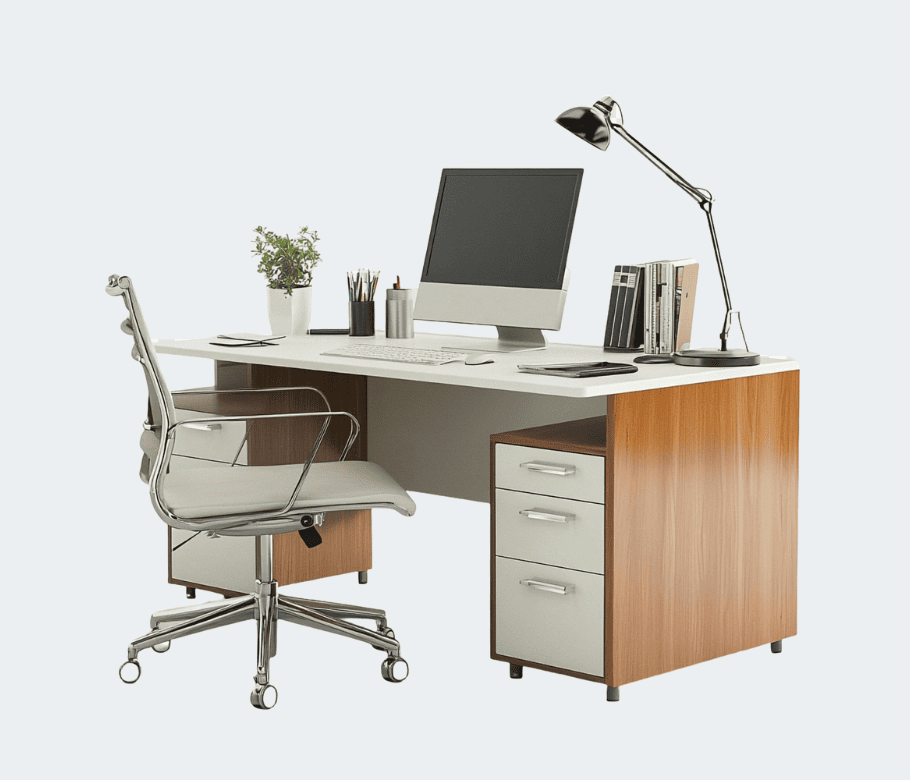
Furniture procurement should be planned from the floor layout rather than purchased one item at a time. Count permanent staff, hot desks, visitors, meeting-room seats and storage requirements before confirming quantities.
- Office desks and workstations
- Office and visitor chairs
- Meeting tables and meeting-room chairs
- Filing cabinets and storage cupboards
- Mobile pedestals, shelves and document racks
- Reception counter and waiting-area furniture where required
For workspace planning, see Jiwa's Office Furniture Supplier Malaysia: How Businesses Choose Desks, Chairs & Workstations.
8. Pantry and common-use supplies
Pantry purchasing depends heavily on company policy and headcount, so avoid overstocking before actual usage is known. Start with the basic items the company has agreed to provide and review consumption after the first few weeks.
The same principle applies to tissues, cups and other shared consumables: define ownership, storage and reorder responsibility so they do not become last-minute purchases.
How much office stationery should a new company buy?
There is no single correct quantity because a 10-person design office, a 30-person accounting team and a 100-person operational office use supplies differently. A practical opening-stock method is:
- Count users. Separate full-time desks, shared desks and common areas.
- Define the standard staff kit. Give every employee only the items regularly needed for the role.
- Estimate 4 to 6 weeks of recurring consumables. Use this only as an opening estimate until real usage data exists.
- Add reasonable buffer stock. Keep additional paper, toner and other mission-critical items that could interrupt work if they run out.
- Review after the first month. Replace estimates with actual consumption data.
Avoid ordering six or twelve months of every small item before you know actual usage. New-office procurement is more accurate when the first order is complete enough to operate but still leaves room to learn.
New office procurement by company size
Headcount changes the ordering method more than the checklist itself.
| Office size |
Recommended procurement approach |
| Small office / startup |
Keep the product range simple, standardise the staff kit and avoid excessive bulk stock before usage is known. |
| Growing SME |
Create approved product choices, centralise reordering and track monthly usage for paper, toner, files and common stationery. |
| Larger office / multiple departments |
Use a consolidated procurement list, department quantities, approval workflow, reorder points and business quotation process. |
| Multiple branches |
Standardise commonly used items where practical and keep a branch-by-branch list for machine-specific consumables. |
One office supplier or many suppliers?
Buying every item from the cheapest separate seller may look attractive during setup, but procurement cost is not only the product price. Admin time, delivery coordination, invoice handling, product inconsistency and emergency restocking also affect the overall process.
For frequently reordered items, many businesses benefit from consolidating as much of the office-supply list as practical with a reliable supplier. Specialised items can still be sourced separately when required.
If you are comparing suppliers, read Where to Buy Office Supplies in Malaysia: Bulk, Cheap & Fast Delivery Guide.
What information should you send when requesting a new-office quotation?
A clear enquiry makes it easier for the supplier to recommend suitable alternatives and prepare an accurate quotation.
- Company location: delivery address and whether there are multiple branches
- Headcount: approximate number of employees or workstations
- Required opening date: when supplies need to arrive
- Item list: product name, specification and preferred brand where known
- Quantity: estimated units, packs, reams, boxes or cartons
- Printer and machine models: important for toner, ink, thermal paper and label compatibility
- Furniture requirement: floor plan, dimensions or workstation count where relevant
- Alternatives allowed: tell the supplier whether equivalent brands can be proposed
After opening: turn the setup checklist into a monthly reorder system
The opening order is only the beginning. After one or two normal purchasing cycles, identify the items the company repeatedly consumes and assign a reorder point.
For example, A4 paper, toner, receipt rolls, pens and frequently used files should not wait until stock reaches zero. The admin or procurement team can review stock on a fixed schedule and reorder before the final buffer quantity is used.
Jiwa's Office Stationery Supplier Johor: Monthly Restock Checklist provides a useful next step once the new office is operating.
Office supplies for a new office in Johor Bahru and Malaysia
Jiwa Book Store has supplied stationery and business essentials from Johor Bahru for decades. Companies can use Jiwa for day-to-day stationery, paper and printing supplies, files and folders, office equipment, thermal products and selected office furniture requirements.
Browse Jiwa's office supplies and online product catalogue, or contact Jiwa with your new-office list for product recommendations, current stock and larger-quantity quotation support.
FAQ: office supplies for new office setup Malaysia
-
What office supplies are essential for a new office?
Most offices need paper and printing supplies, basic writing stationery, files and folders, staplers and punches, mailing materials, shared desk tools, pantry basics and the furniture or equipment required by their workflow.
-
How do I make an office stationery checklist?
Group items by work function: printing, writing, filing, desk tools, mailing, equipment, furniture and recurring consumables. Then assign quantities based on headcount and actual processes.
-
Should a new office buy stationery in bulk?
Buy larger quantities for predictable, frequently used consumables where the specification is already known. Avoid overstocking unfamiliar items before the team has established real usage.
-
How much A4 paper should a new office order?
Estimate based on expected printing volume and keep enough opening stock plus a reasonable buffer. Review actual monthly usage after operations begin and set a reorder point.
-
What should I include in a new-office procurement quotation?
Provide the company location, headcount, opening date, item list, specifications, quantities, machine models and any furniture requirements. Indicate whether equivalent alternatives are acceptable.
-
Can one supplier provide both office stationery and furniture?
Some office suppliers provide multiple categories. Jiwa supplies a broad range of stationery and office essentials together with selected office furniture and business-supply support.
-
Where can I buy office supplies for a new office in Johor Bahru?
Jiwa Book Store is based in Johor Bahru and supplies stationery, office consumables, printing products and other business essentials. Companies can contact Jiwa with an item list for quotation support.
Related reading: browse all Jiwa business-supply guides for office procurement, stationery, printing and workplace setup advice.