Reset your password
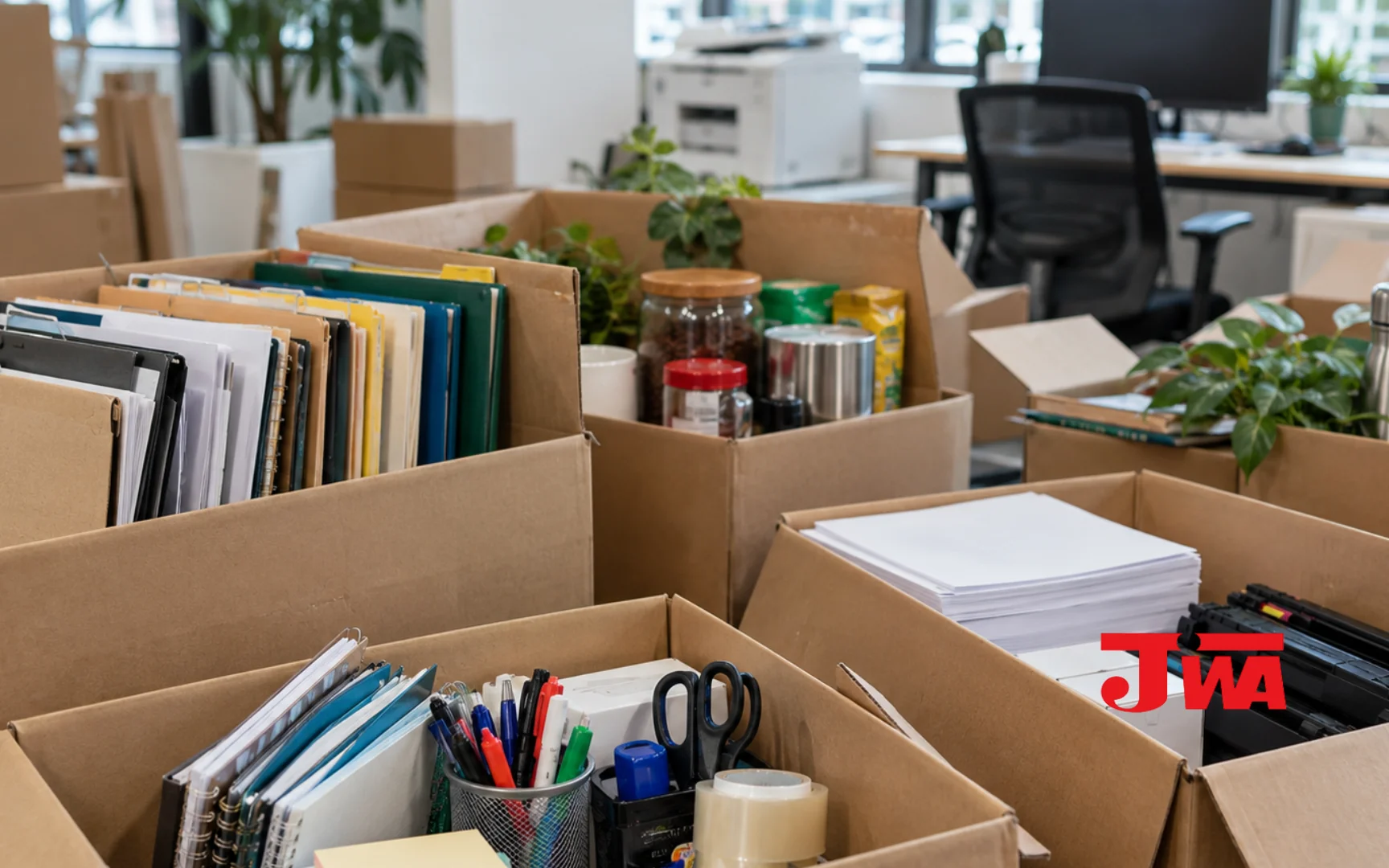
An office move is not complete when the desks arrive. Employees also need access to working printers, labelled files, stationery, shared equipment and suitable furniture at the new premises. When these items are poorly tracked, the first week can be disrupted by missing supplies and duplicate purchases.
Quick answer: audit what the business owns, divide items into move/replenish/replace categories, check compatibility of printing consumables, assign packing locations and schedule essential purchases around the new office opening.
This guide focuses on office supplies and procurement continuity during a move within or into Johor Bahru, rather than the logistics of hiring movers or transporting sensitive IT systems.
Audit existing office supplies before packing
Do not start by buying everything again. First decide which products can be reused, which are running low and which no longer fit the new working environment.
| Inventory status | Action |
|---|---|
| Reusable and in good condition | Label and transfer to the new premises. |
| Running low | Replenish for the reopening period. |
| Damaged or incompatible | Review replacement requirements. |
| No longer needed | Recycle, redistribute or dispose of appropriately. |
For example, folders and paper may remain usable, while a new floor layout may require different storage cabinets or additional shared workstations.
Check printers, toner and paper before the move
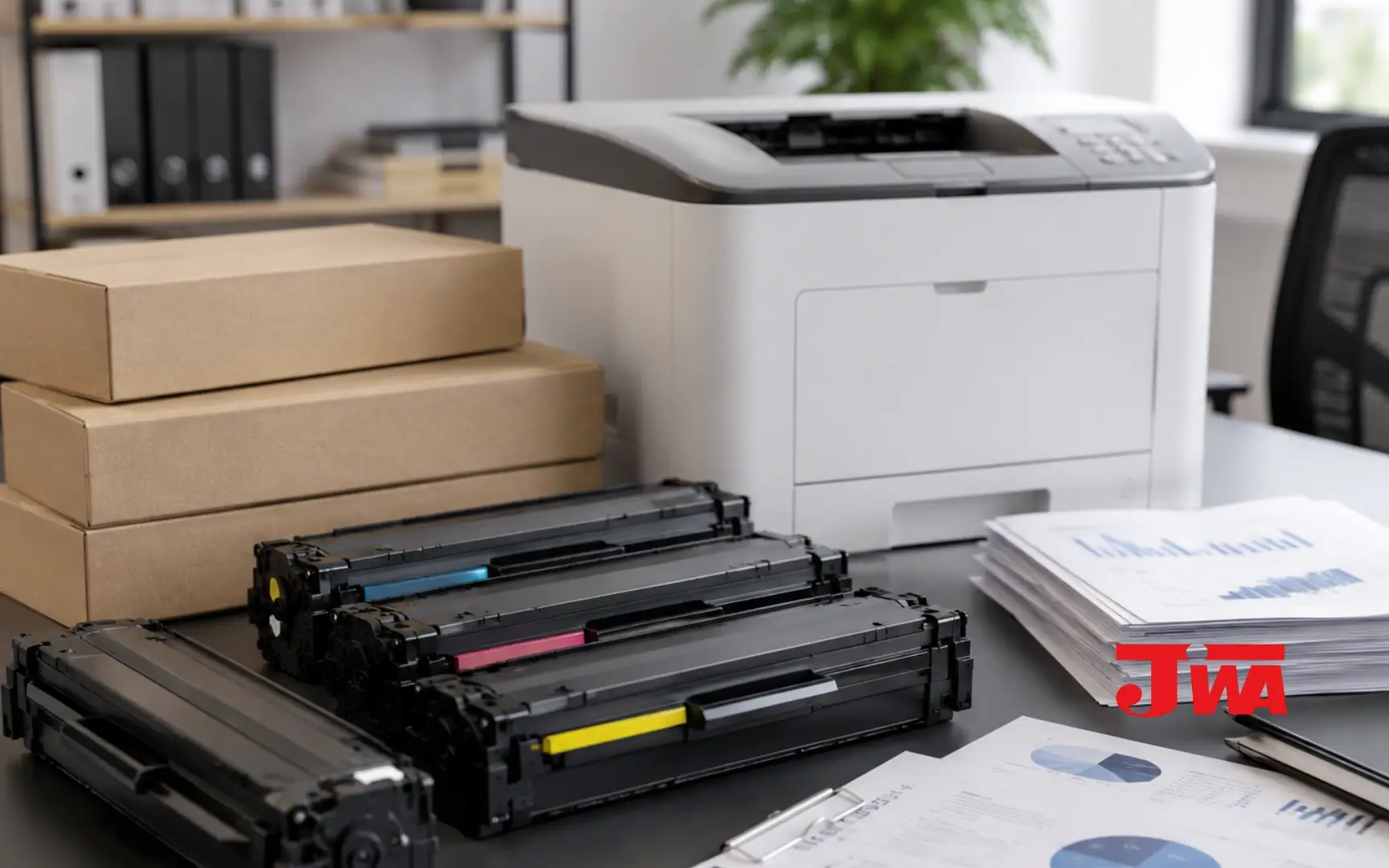
Printers may be moved, replaced or consolidated into a shared printing area. Check the exact models that will remain in use before ordering more consumables.
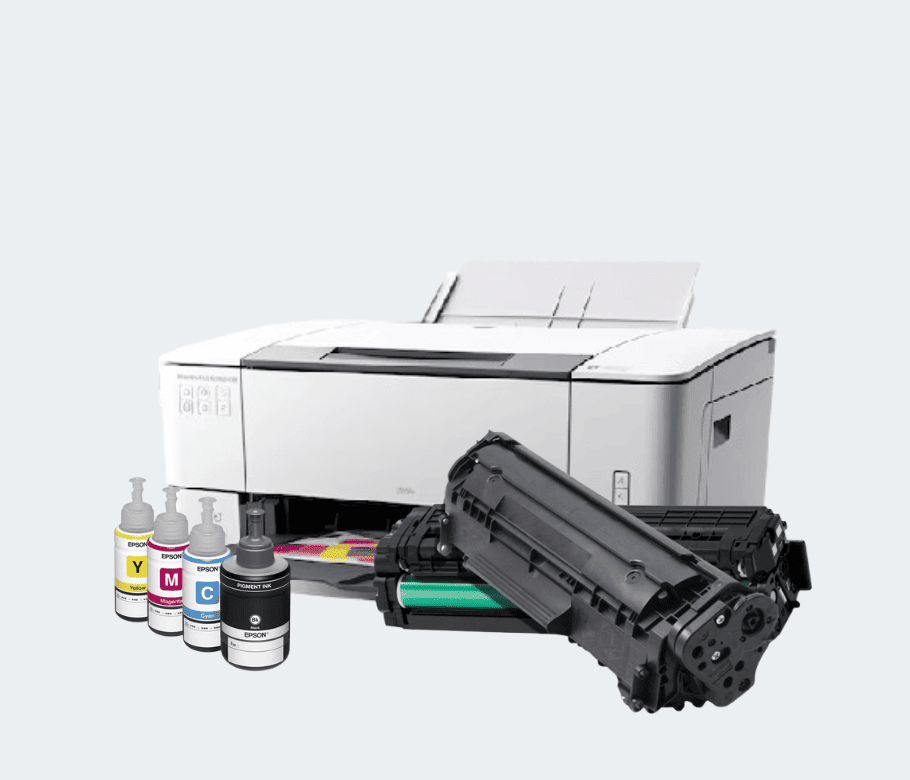
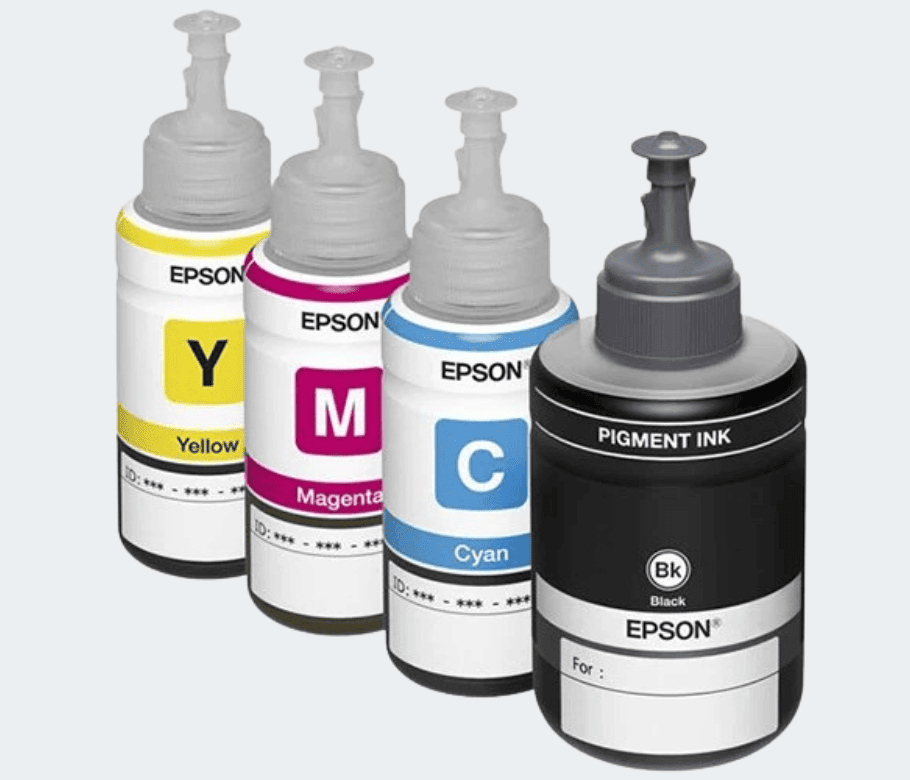
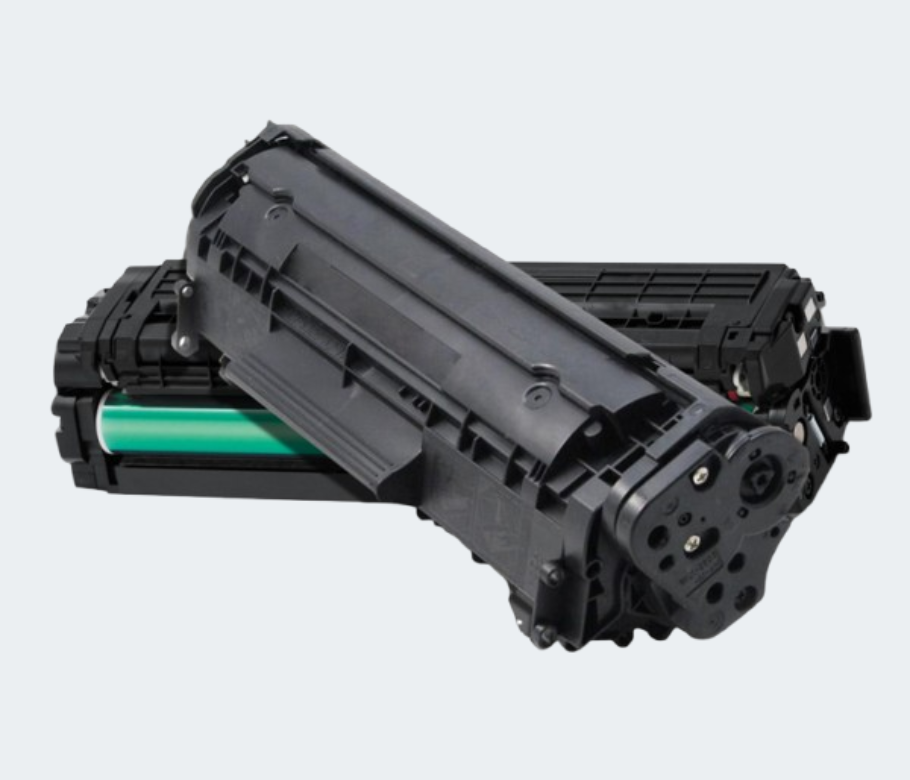
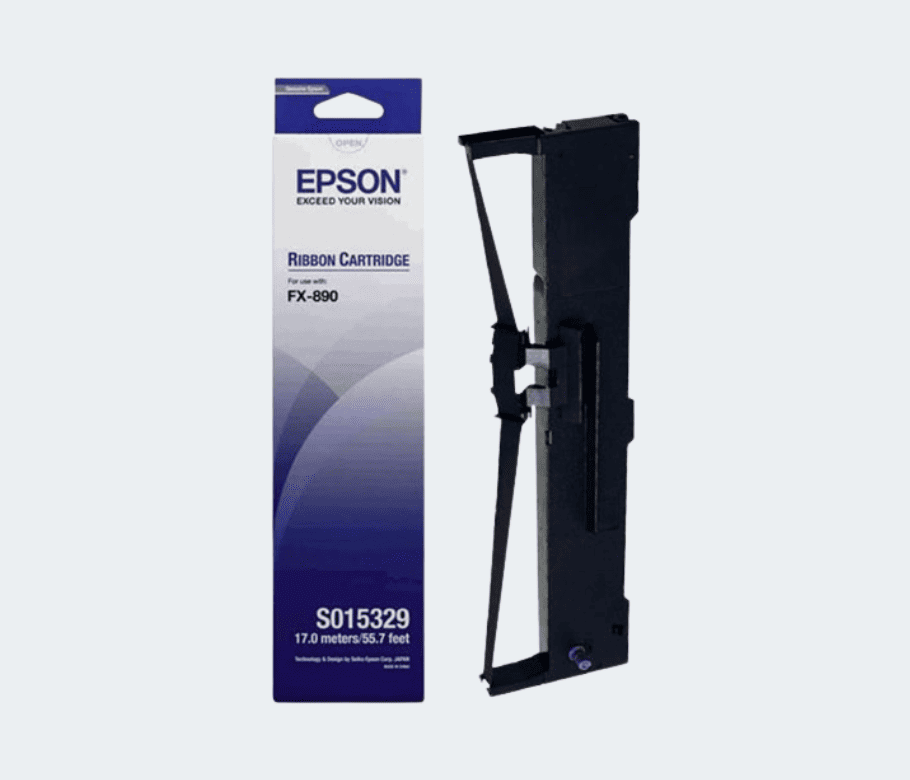
- Confirm toner or ink cartridge codes against each printer model.
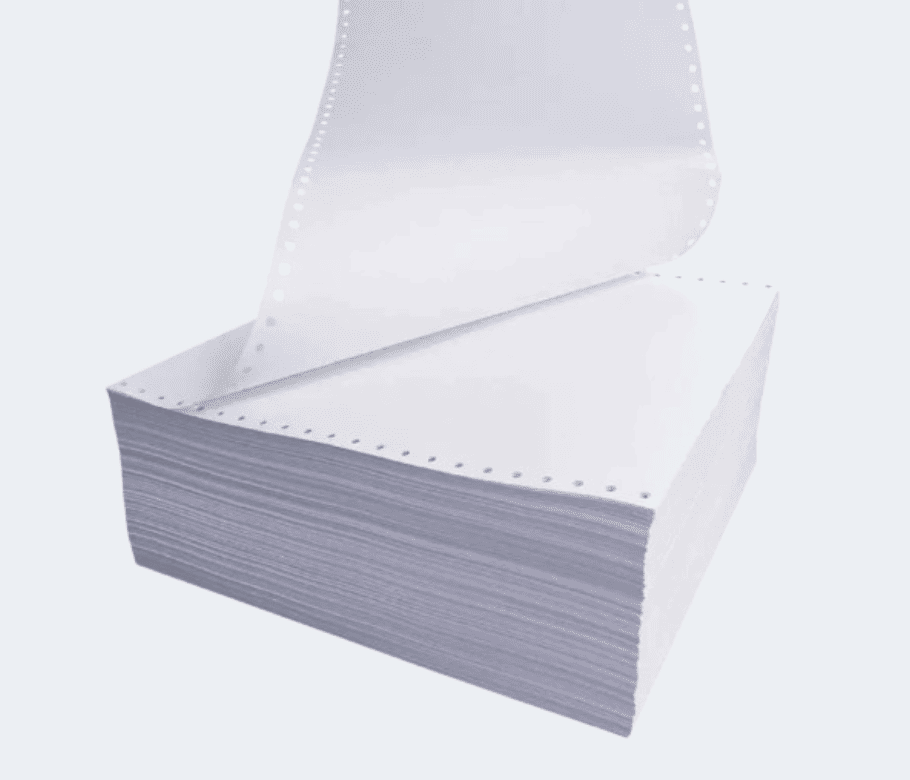
- Record available A4 paper and any specialised paper; compare Jiwa’s paper products if replacements are required.
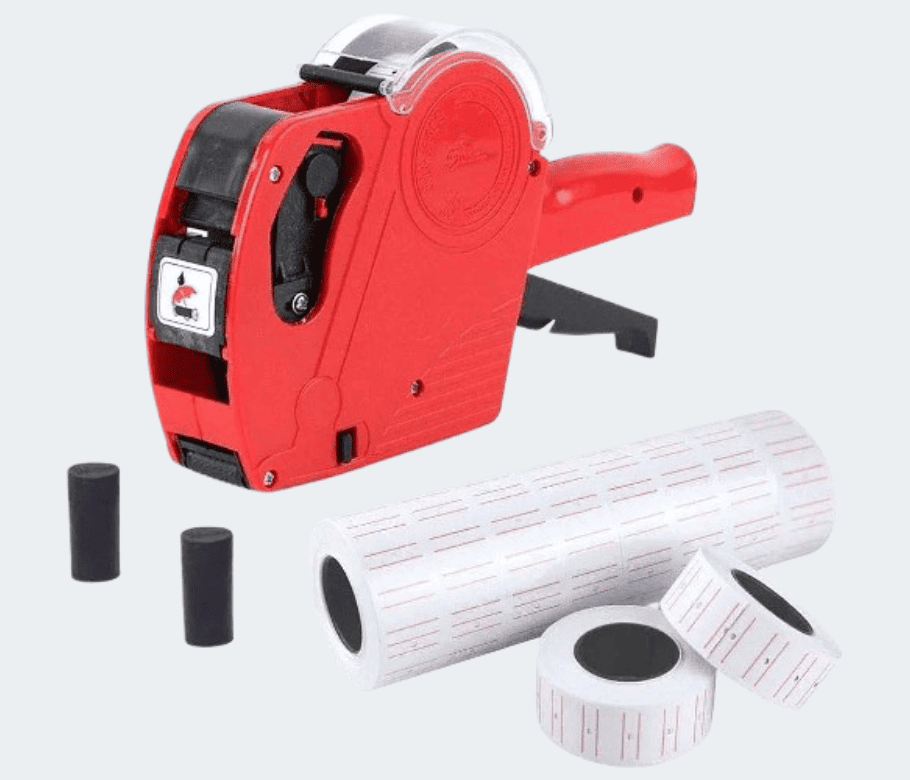
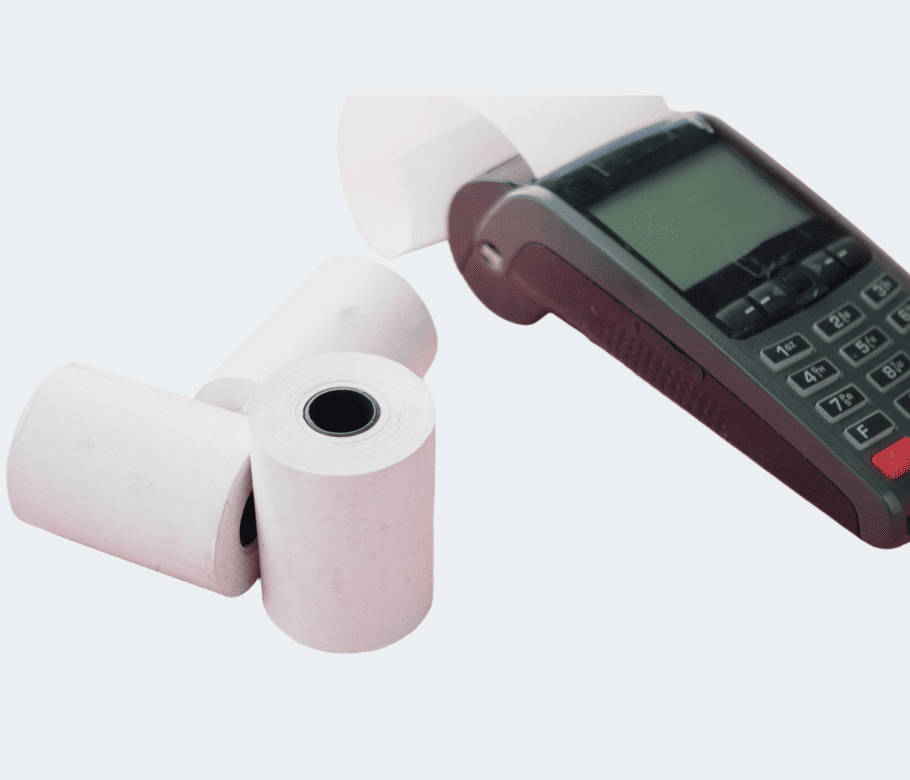
- Check receipt-roll sizes and thermal labels where the business uses them.
- Keep essential printing supplies accessible for the first working day.
- Avoid restocking cartridges for machines being retired.
Measure the new workspace before replacing furniture
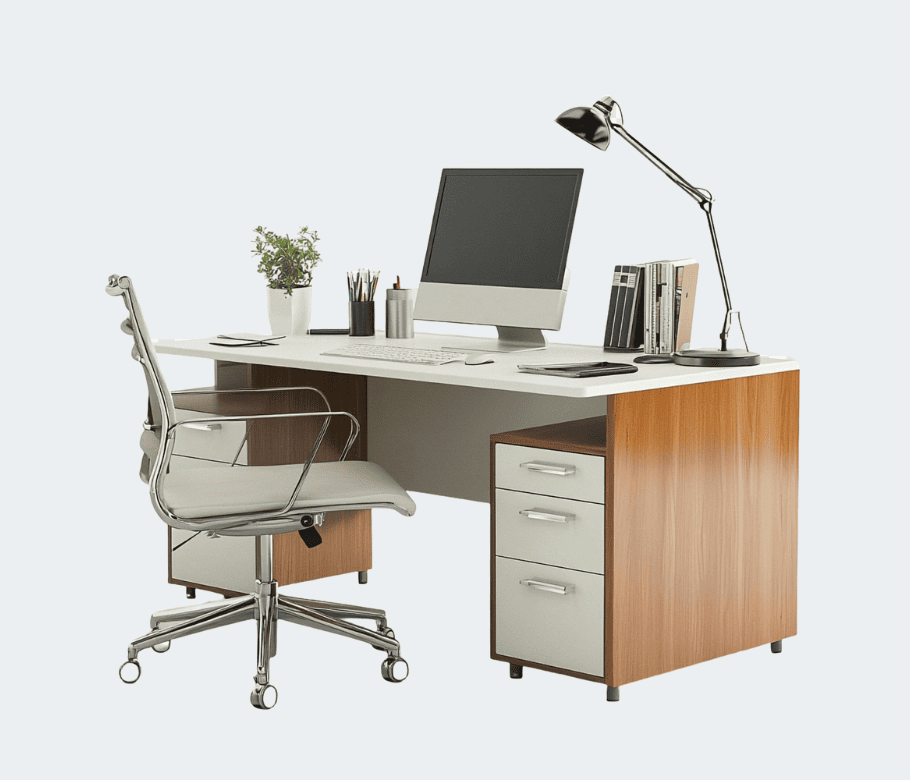
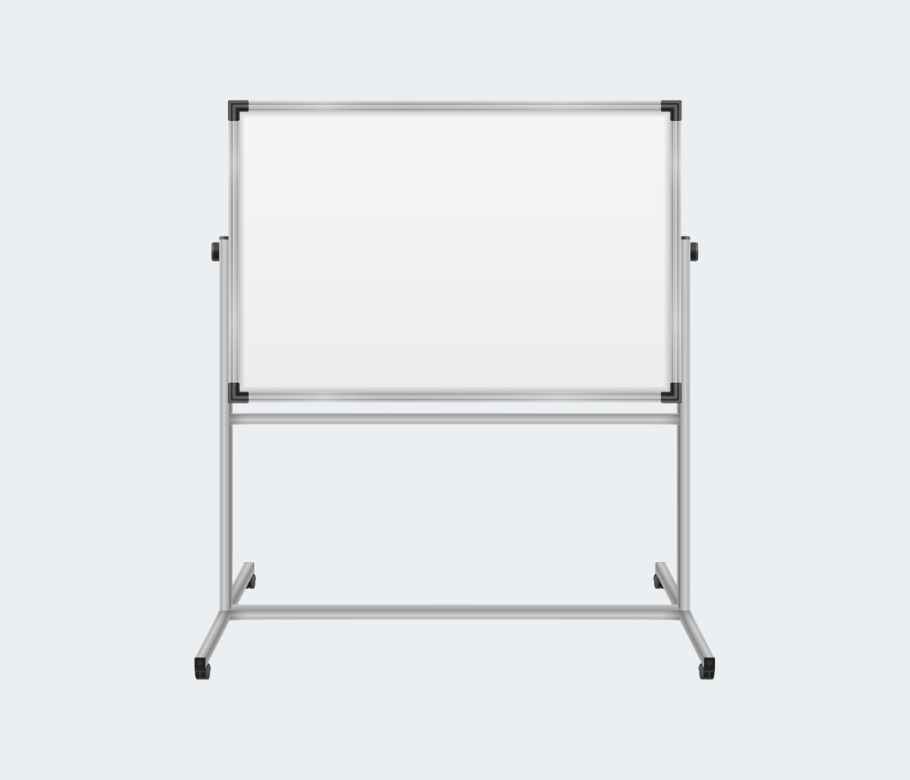
Existing desks, chairs and cabinets may still be suitable. Compare their dimensions with the new layout, workstation count, doors, lift access and storage areas. Replace furniture because the new workspace genuinely requires it, not simply because the company is relocating.
When purchasing selected desks, chairs or cabinets, confirm sizes and delivery or assembly arrangements with the supplier before finalising the move schedule. For purchasing considerations, see our office furniture selection guide.
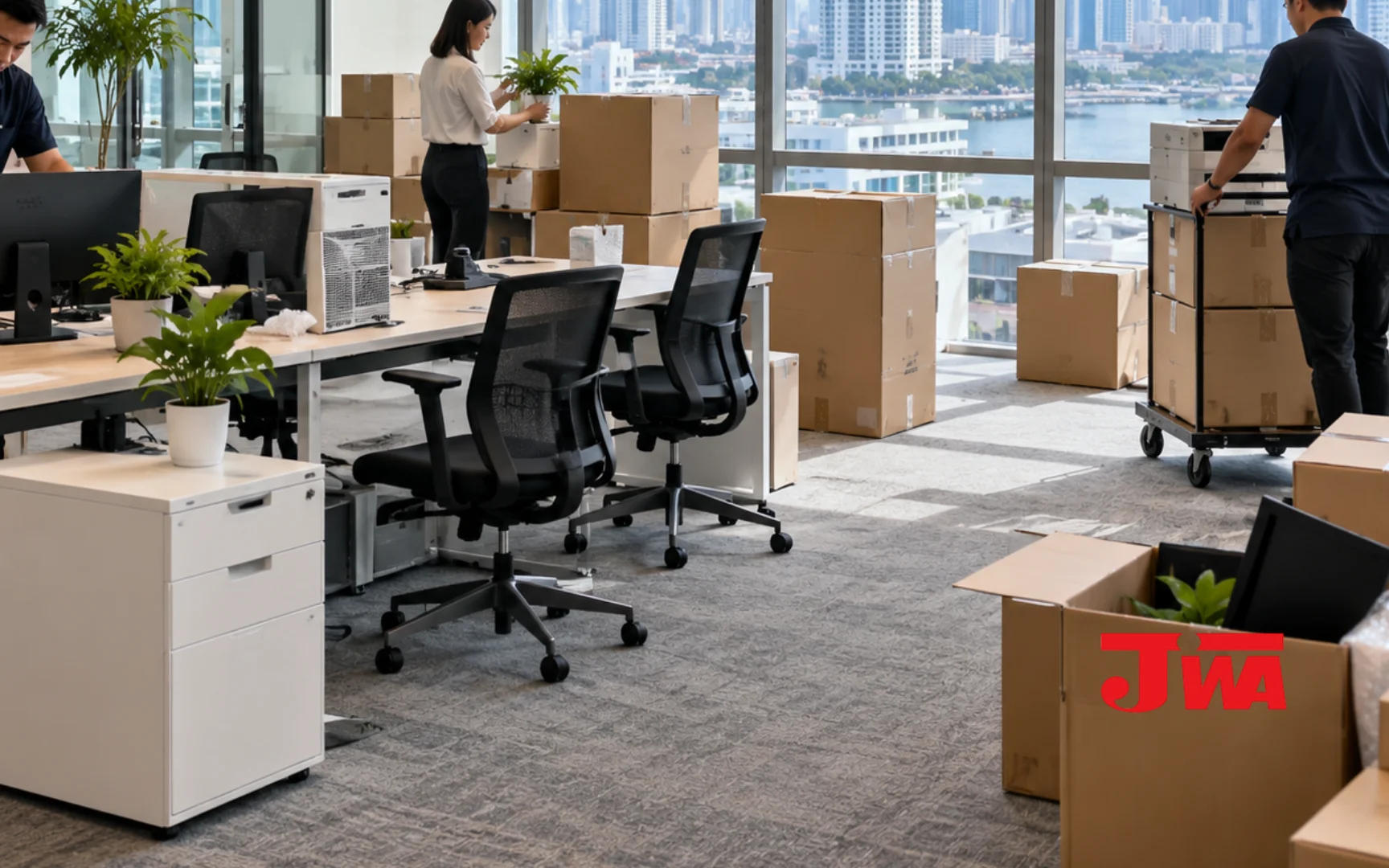
Label existing stock and identify replacements before moving office to avoid unnecessary repeat orders.
Build a supply schedule around the move
The following timeframes are planning examples, not promises about supplier lead times. Confirm actual availability before choosing delivery dates.
| When | What the admin or procurement team should do |
|---|---|
| 4–6 weeks before | Audit stock, compare furniture against the floor plan and identify replacement items. |
| 2–3 weeks before | Finalise specifications, request quotations, assign labels and confirm supply arrangements. |
| Final week | Pack routine supplies; keep a clearly marked set of daily-use items accessible. |
| First working week | Test printing workflows, locate shared tools and replenish genuinely missing items. |
Prepare a day-one essentials station
A simple, labelled box or cabinet prevents staff from searching through unopened cartons for basic equipment. Keep practical supplies together at reception, administration and any other critical work areas.
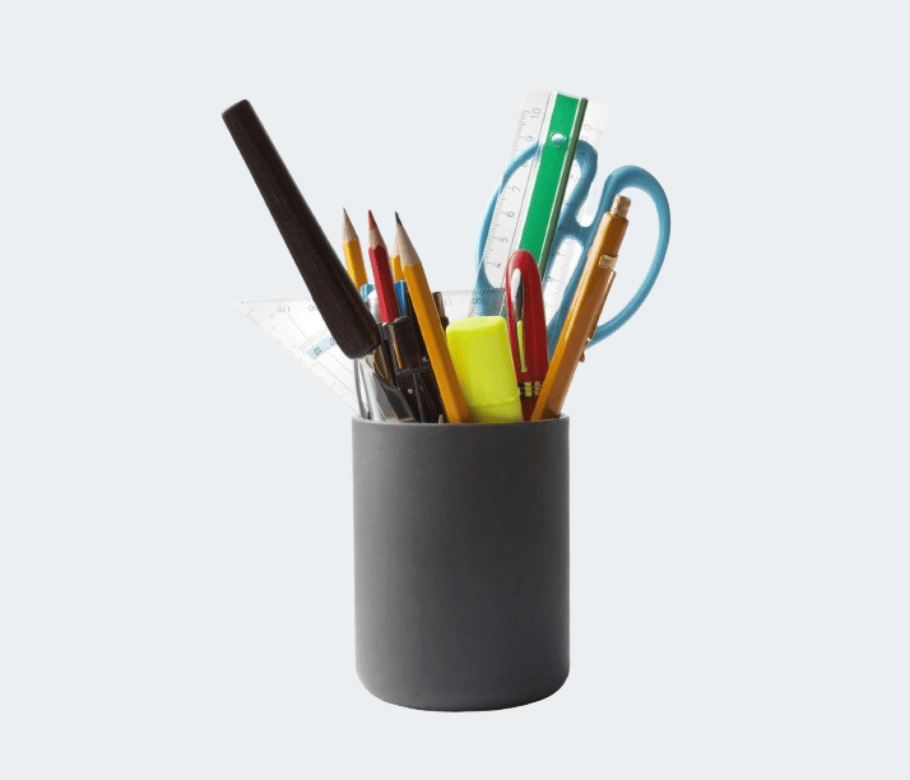
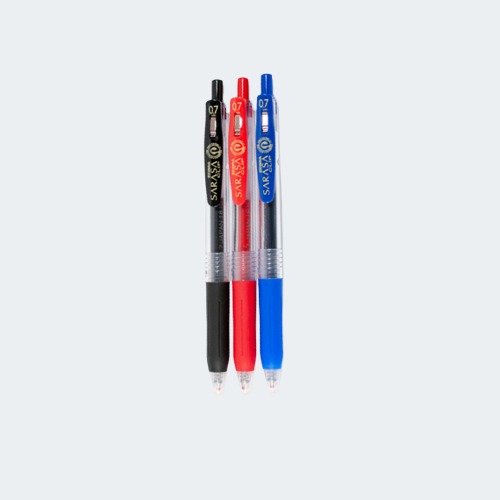
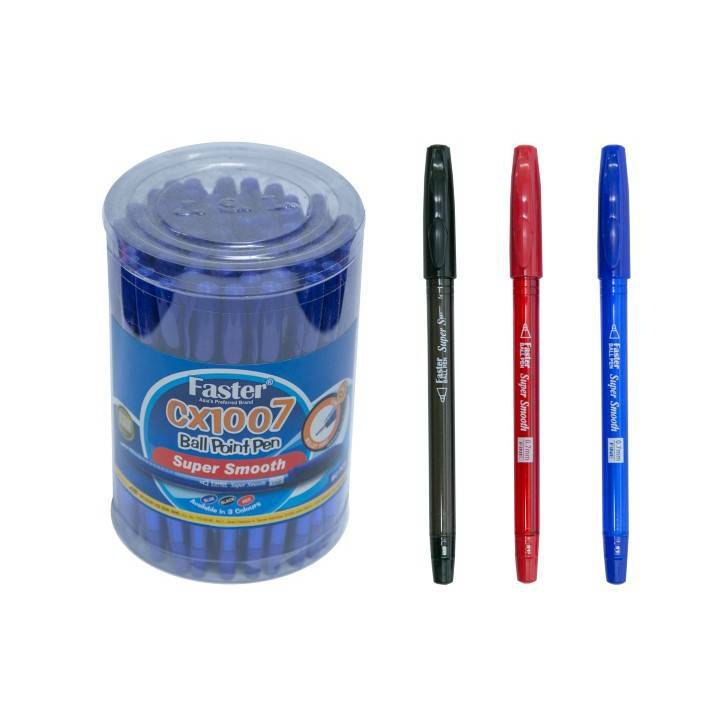
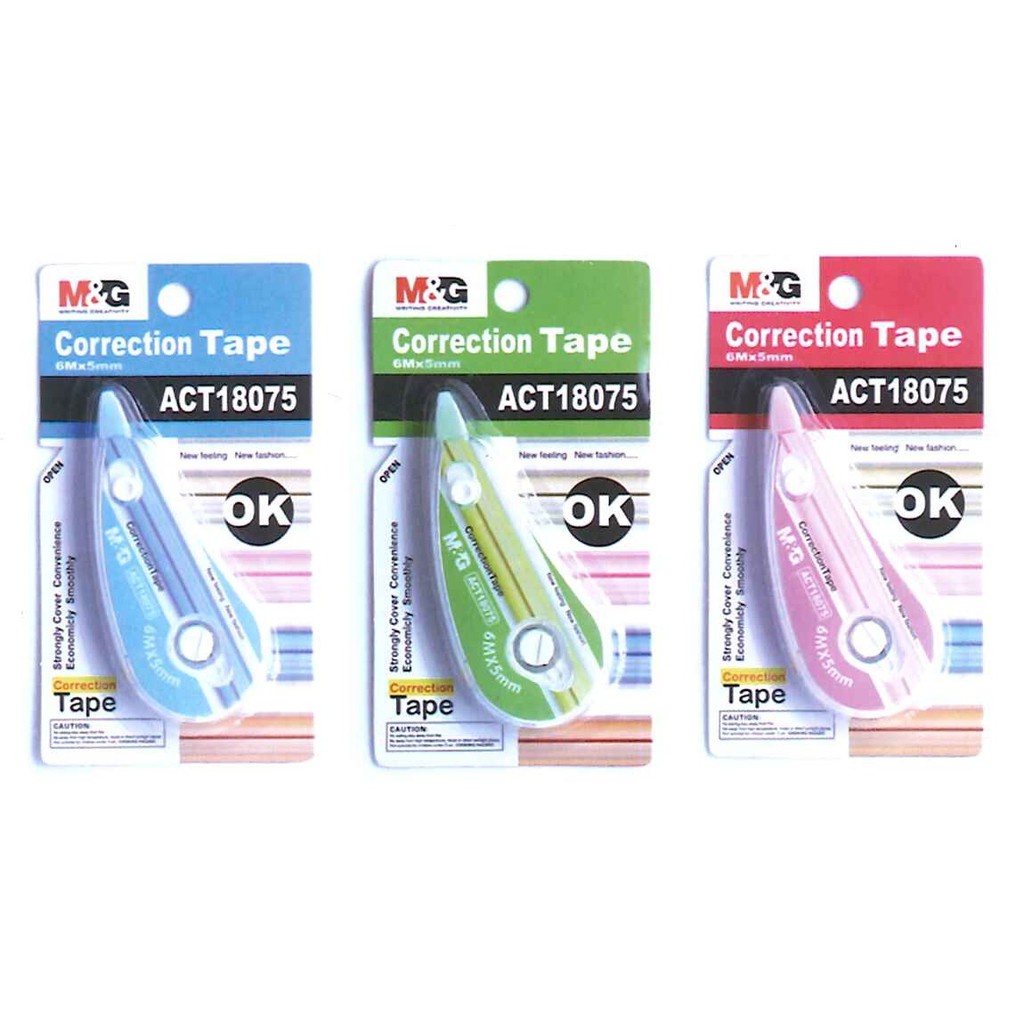
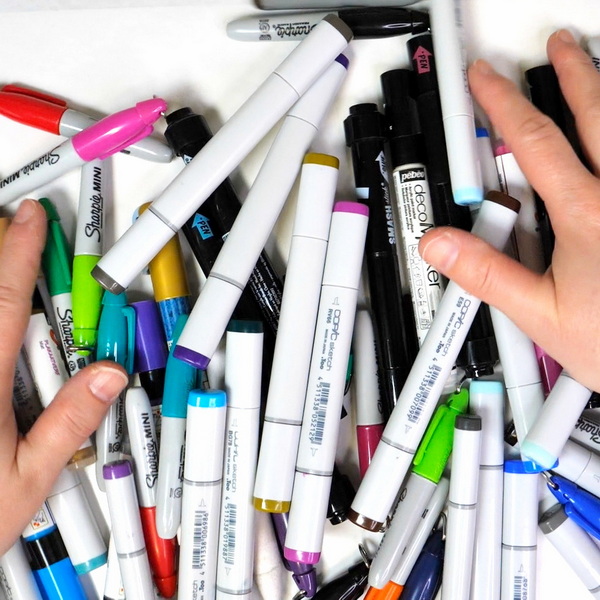
- Pens, markers, correction tools and memo pads
- A4 paper and printer supplies
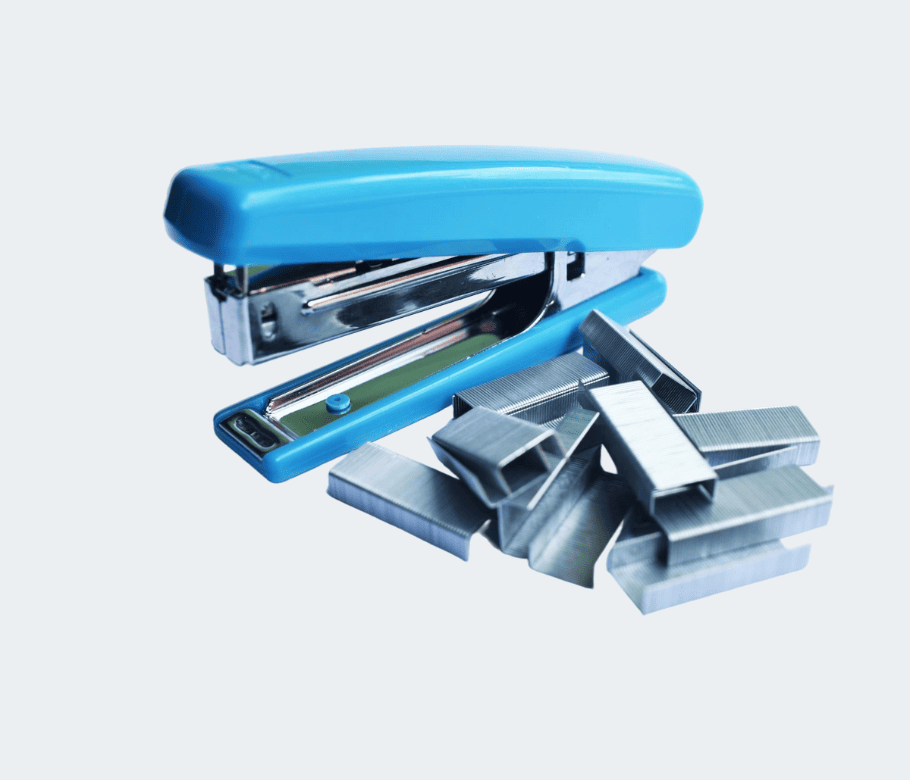
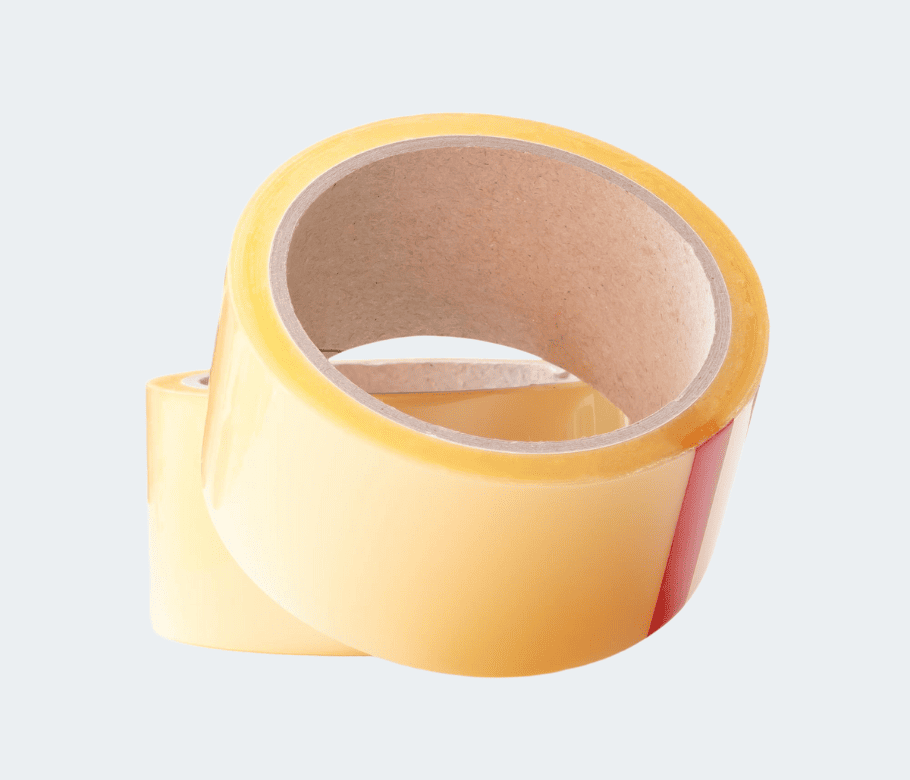
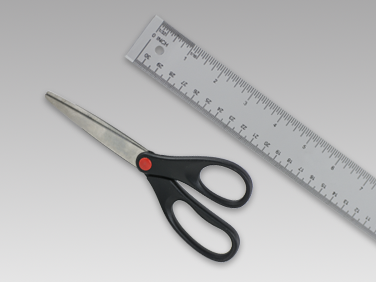
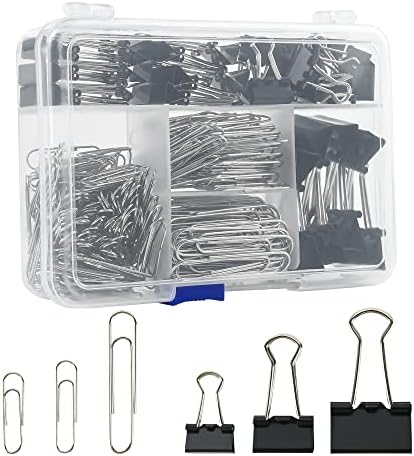
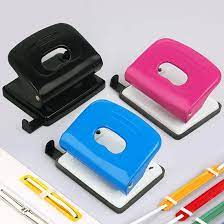
- Staplers, tape, scissors, punches and clips
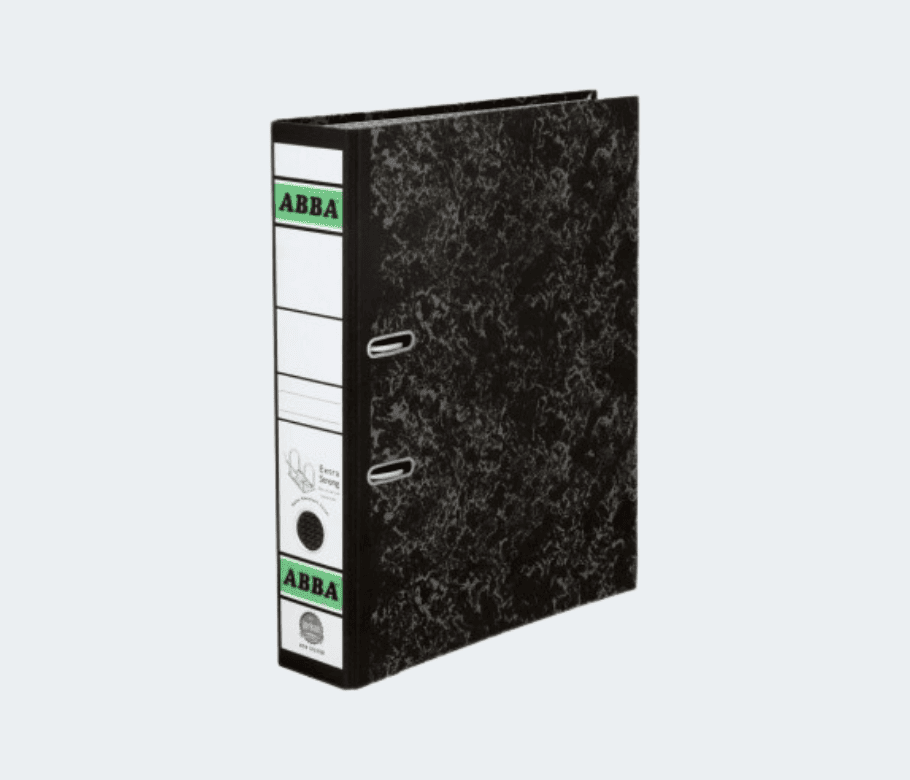
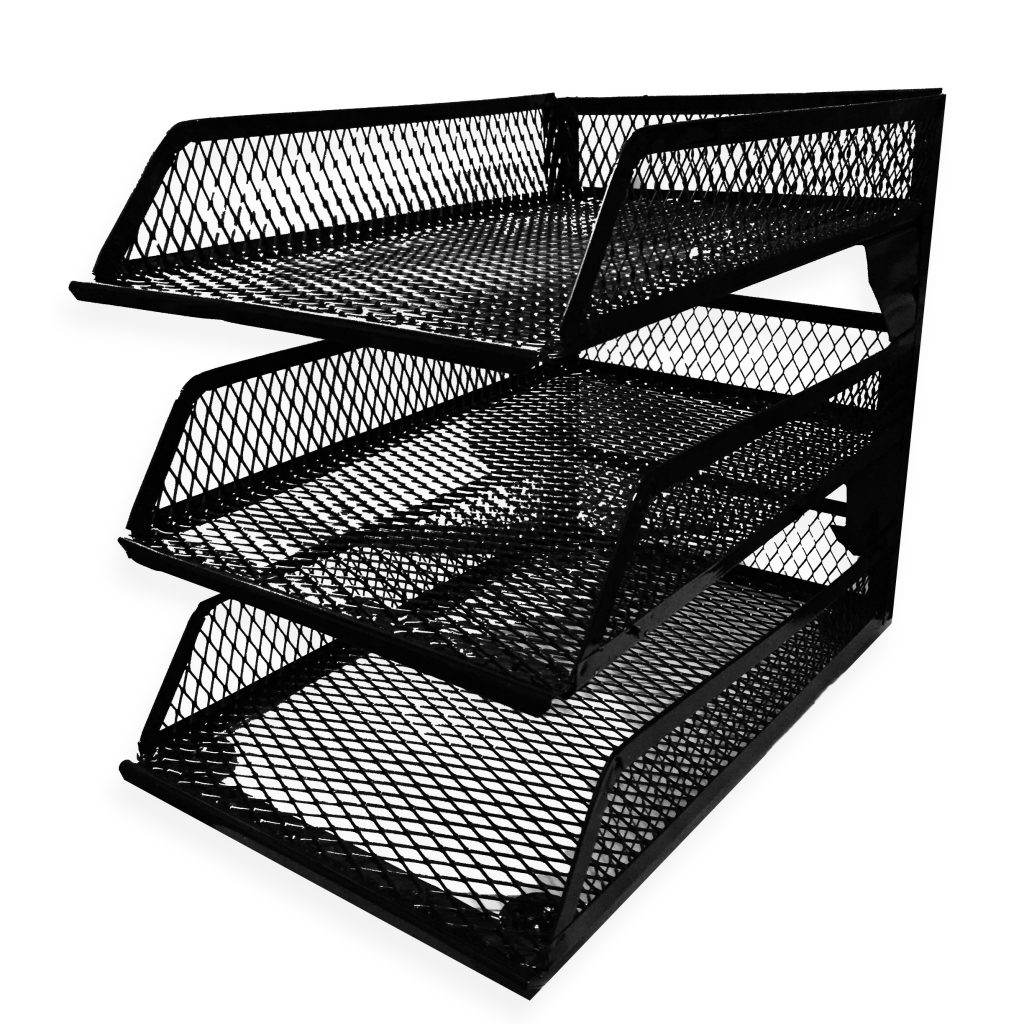
- Folders, labels and temporary filing materials
- Any workflow-specific supplies needed immediately after reopening
Prevent unnecessary reorders after relocation
An item that cannot be found is often mistakenly reordered. Maintain a move inventory with each item’s original department, box identifier and new location. Allow time for unpacking before approving non-urgent replacements.
For the longer term, set up a simple replenishment routine. Jiwa’s monthly office stationery restocking guide covers tracking recurring supply needs.
Use the move to simplify future purchasing
Relocation creates an opportunity to standardise common paper, stationery and filing products. Departments that use the same approved products may find purchasing, invoicing and inventory reviews easier. Keep specialist items separate where different equipment or operations demand them.
Office supplies for businesses relocating in Johor Bahru
Jiwa Book Store supplies office stationery, paper, filing products, printer consumables and selected office furniture for business enquiries. If your business is relocating in Johor Bahru, review Jiwa’s office supplies selection and send the team your replacement or replenishment list, including quantities, product specifications, the new delivery location and your target move-in date. Ask about stock and delivery options before confirming the relocation schedule.
FAQ: office relocation supplies
- What should be checked before an office move? Audit paper, toner, files, stationery, furniture and shared tools. Mark what will move, what needs replenishment and what needs replacement.
- Should all office furniture be replaced? No. Reuse suitable items and check dimensions against the new floor plan before purchasing replacements.
- When should supplies be ordered? Prepare requirements early and confirm item-specific stock and delivery arrangements with the supplier.
- How can businesses avoid duplicate orders? Label packed items, maintain a transfer inventory and review what remains unpacked before buying replacements.